Skip to content
The Daily TeabagThe Daily Teabag

Topic hub

Energy, land & net-zero

Pipelines and industrial carbon bargains, EV sales rules under rewrite, fertilizer emissions targets, and major-project land fights — Gazette, MOUs, and agency pages before slogans.

Also browse related tags: #GHG, #pesticides, #industrial-carbon, #OBPS, #TIER, #ZEV

Featured on this hub

Berlaymont building, European Commission, Brussels — Photo: EmDee, CC BY-SA 4.0

Policy Watch|European Union

Commission proposes one-year delay to methane rules for EU oil, gas and coal importers

COM(2026) 569, adopted 14 October 2026, would push back by a year the obligations in the EU Methane Regulation that require importers to prove their foreign supply is monitored to EU standards, and the methane-intensity reporting and limits for importers and EU producers. The Commission cites the Hormuz supply shock. Parliament and Council still have to agree.

Daily Teabag Desk·Centre
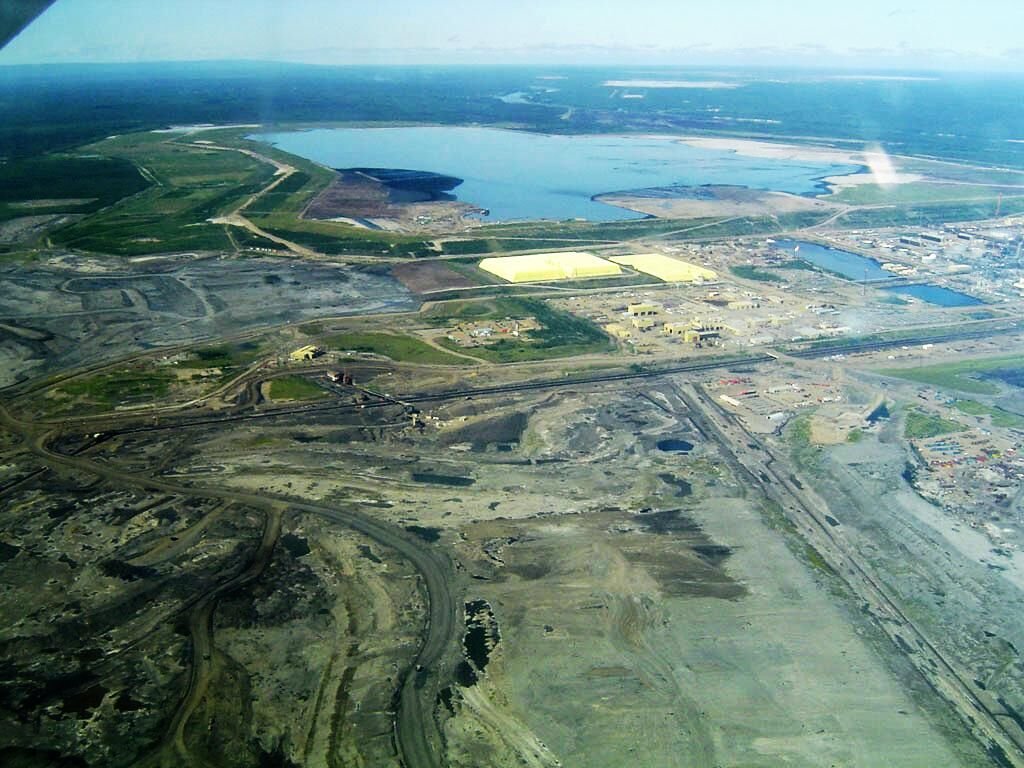
Syncrude Mildred Lake plant, Alberta — illustrative refinery-type image; not a U.S. small refinery — Photo: TastyCakes / Jamitzky, public domain

Policy Watch|United States

EPA proposes shifting 770 million extra refinery-exemption RINs onto 2026–27 fuel standards

After granting more 2025 small refinery exemptions than it had projected, EPA is co-proposing two ways to put the extra 770 million RINs back into the 2026 and 2027 Renewable Fuel Standard obligations. EPA estimates the change adds less than one cent a gallon to gasoline and diesel. Comments are due 4 December 2026; a virtual hearing is set for 4 November.

Daily Teabag Desk·Centre
Daily Teabag policy graphic

Policy Watch|United States

EPA pushes the 2025 greenhouse-gas reporting deadline to 10 March 2027

An interim final rule published 14 October 2026 (91 FR 65112) moves the Greenhouse Gas Reporting Program deadline for reporting-year 2025 data from 30 October 2026 to 10 March 2027. Nothing else in the reporting rule changes. EPA says it needs time to finish work on a separate reconsideration proposal. Comments on this deadline shift are due 30 November 2026.

Daily Teabag Desk·Centre
Farm and silos on Île d’Orléans, Quebec — illustrative; not a site named in the bill — Photo: Guillaume666 / Antoine Letarte, CC BY-SA 3.0

Policy Watch|Canada

Budget bill would end Canada’s automatic 15-year safety re-evaluation of pesticides

Division 13 of Bill C-31, the Budget 2025 Implementation Act, No. 2, would replace the Pest Control Products Act’s mandatory re-evaluation of every registered pesticide after 15 years with an “assessment” on available information. A full re-evaluation would follow only if the Health Minister has reasonable grounds to believe risks have “increased significantly.” The finance committee heard objections last week; amendments are due 22 October.

Daily Teabag Desk·Centre
Chugach National Forest entrance sign, Kenai Peninsula, Alaska — illustrative; no specific project — Photo: USDA Forest Service Alaska Region, public domain

Policy Watch|United States

U.S. Forest Service gives the public as little as 10 days to object to national-forest projects, down from 45

A USDA final rule, scheduled for Federal Register publication on 13 October 2026 and effective 30 days later, rewrites how people challenge logging, grazing, road and other projects on national forests and grasslands before they are approved. Comment periods drop to 15 days for environmental assessments and 30 for environmental impact statements, from 30 and 45. The window to file an objection falls to 10 or 20 days, from 45 for most projects. The independent reviewing officer is dropped, and notices move from newspapers to USDA websites. Because objecting is a precondition for suing, the shorter windows also bear on who can go to court.

Daily Teabag Desk·Centre
Calgary Courts Centre, home of the Court of Appeal of Alberta’s Calgary registry — Photo: Ultimateshot, CC BY-SA 3.0

Policy Watch|Canada

Alberta’s top court rules 4–1 that Ottawa’s amended Impact Assessment Act still oversteps on provincial projects

In Reference re Impact Assessment Act, as amended, 2026 ABCA 320, released 9 October 2026, a majority of the Court of Appeal of Alberta found that the ‘designated projects’ part of the federal Impact Assessment Act and its Physical Activities Regulations remains unconstitutional except where it applies to federal undertakings. Parliament rewrote the scheme in 2024 after the Supreme Court struck down the original in 2023. One judge dissented. The opinion is advisory and the Act stays on the books unless Parliament changes it or the Supreme Court agrees.

Daily Teabag Desk·Centre
Abstract housing skyline illustration — The Daily Teabag

Policy Watch|European Union

The Netherlands revives its heat-pump rule: from 2029, many homeowners replacing a gas boiler will need a smart hybrid heat pump

In a 7 October 2026 letter to parliament, Housing Minister Elanor Boekholt-O’Sullivan said a new boiler alone will no longer meet the building code when an old one is replaced in homes not heading for a heat network. The rule would apply from 2029 at the earliest. Apartments and listed monuments are exempt at first. Who pays, and how much, is still being worked out.

Daily Teabag Desk·Centre
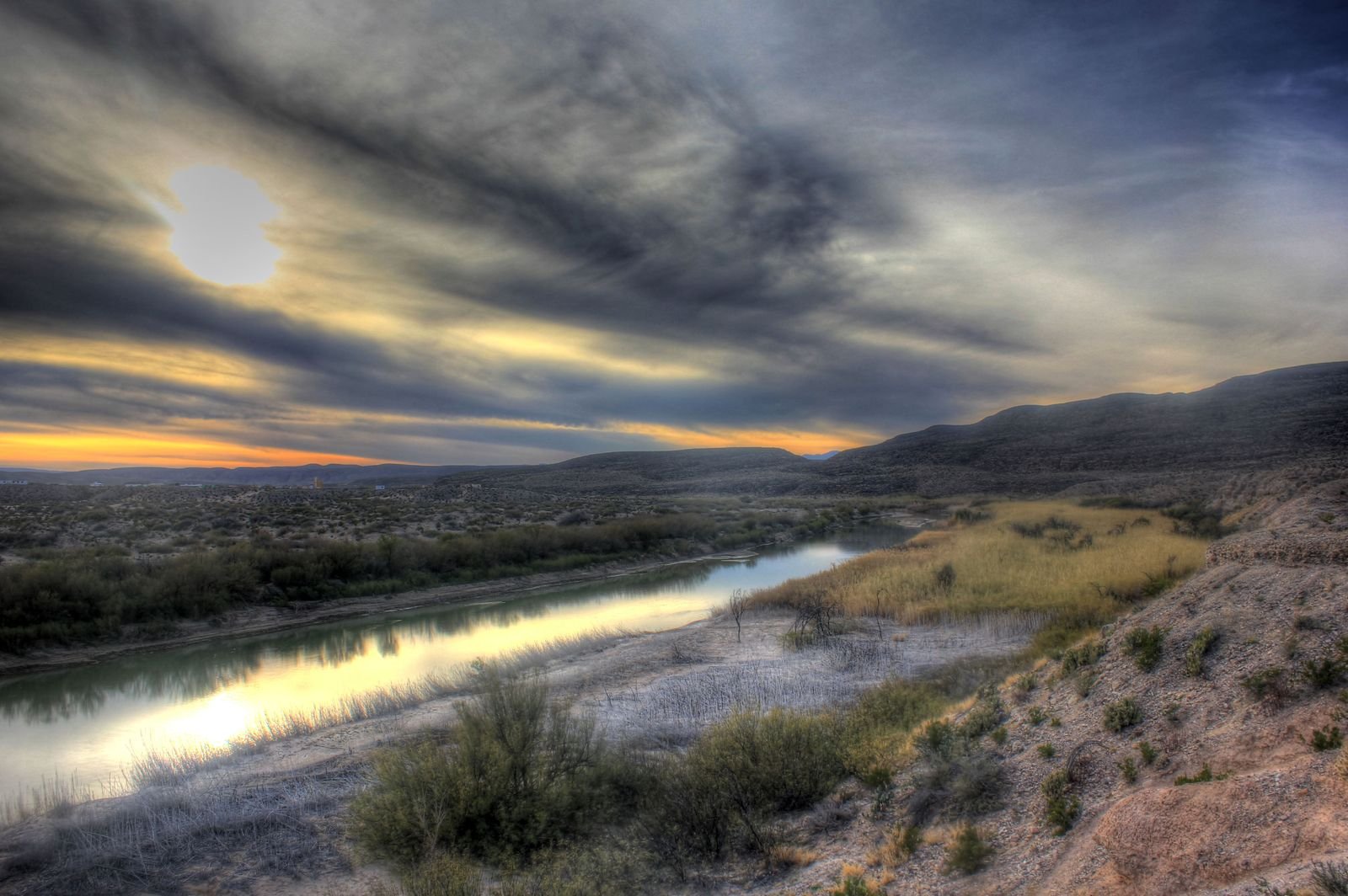
Rio Grande in Big Bend National Park, Texas — Photo: Yinan Chen, public domain

Accountability|United States

Judge halts Big Bend border-barrier work until DHS follows the laws it waived

On 2 October 2026 Judge Kathleen Cardone (W.D. Tex.) granted a preliminary injunction in Friends of the Ruidosa Church v. Mullin, No. EP-26-CV-1099-KC. Effective immediately, defendants may not build border barrier or do ground-disturbing work in the Big Bend Sector until they comply with all applicable laws. The order stays the effect of the named Big Bend IIRIRA waivers. A memorandum opinion is still to come — this is not a final merits ruling.

Daily Teabag Desk·Centre
British Columbia Parliament Buildings, Victoria — Photo: Michal Klajban, CC BY-SA 4.0

Economy & Jobs|Canada

LNG Canada Phase 2: Kitimat FID doubles export capacity to 28 mtpa

Joint-venture partners took a final investment decision on LNG Canada’s Phase 2 expansion in Kitimat, B.C. Company primary: capacity rises from 14 to 28 million tonnes a year. The PMO (29 Sep) welcomed a $33-billion private investment and a companion Coastal GasLink Phase 2 FID — distinct from the West Coast oil-pipeline Schedule 1 listing (PC 2026-0925, 1 Oct) tracked separately on this site.

Daily Teabag Desk·Slight right
Syncrude Mildred Lake plant, Alberta — Photo: TastyCakes / Jamitzky, public domain

Accountability|Canada

Pacific Link listed: West Coast oil pipeline added to Building Canada Act Schedule 1

Order in Council PC 2026-0925 (1 October 2026) amends Schedule 1 of the Building Canada Act to list the West Coast Oil Pipeline — branded Pacific Link by Ottawa and Alberta — as a project of national interest. That starts a single federal review and conditions track toward 1 September 2027. It is not a CER certificate and not construction.

Daily Teabag Desk·Slight right
Centre Block, Parliament Hill, Ottawa — Photo: Ken Lund, CC BY-SA 2.0

Accountability|Canada

Bill C-39 passes second reading 296–26 and goes to a legislative committee; the Building Canada Strong Act is still not law

Bill C-39, the Building Canada Strong Act, is still at second reading. On 5 October 2026, the House’s first day back, the Projected Order of Business puts it first under Government Orders: resuming debate on the previous question moved by Ryan Turnbull on 25 September, with a legislative-committee referral pending. Labour Code s.107 guardrails and Indigenous consultation clocks are the live citizen fights. Update, 8 October: at midnight on 7 October the House carried the previous question on division; the second-reading recorded division is deferred to 8 October after Question Period, and its 11-member legislative committee has been named. Update, 9 October: on 8 October the House passed second reading 296–26 (Division 178) and referred C-39 to the Legislative Committee on Bill C-39, chaired by James Maloney. Conservatives and Liberals voted yes; the Bloc, the NDP and Elizabeth May voted no. The bill is not yet law.

Daily Teabag Desk·Slight right
Electric vehicle charging station — Photo: Julian Herzog, CC BY 4.0

Policy Watch|Canada

Ottawa proposes killing the ZEV sales mandate — while keeping fleet GHG rules

Canada Gazette Part I on 15 August 2026 proposes repealing the Electric Vehicle Availability Standard’s ZEV sales targets and credit system. Comment window runs to 29 October 2026. Fleet GHG rules would remain — this is not “EVs banned tomorrow.”

Daily Teabag Desk·Slight right

More coverage

Centre Block, Parliament Hill, Ottawa — the PBO reports to Parliament; not an Alto site — Photo: Ken Lund, CC BY-SA 2.0

Debt & Fiscal|Canada

PBO prices Alto high-speed rail at $75–113 billion, above Ottawa’s $60–90 billion range

The Parliamentary Budget Officer’s 1 October 2026 report, requested by the Senate finance committee, estimates the baseline Toronto–Québec City route (without the Kingston option) would cost $75 billion to $113 billion to build, in 2024 dollars. The government’s own range is $60–90 billion. Tunnels, the Canadian Shield, and later start dates drive the number. Ridership and operating costs come in a second report.

Daily Teabag Desk·Centre
John Deere tractor with trailer in the Netherlands — Photo: joost j. bakker, CC BY 2.0

Accountability|European Union

Denmark’s Folketing passes L5 fertiliser law — nitrogen rules reset for 2027

On 3 September 2026 Denmark’s Folketing adopted Lovforslag L5, the new gødskningslov on sustainable management of nutrients and greenhouse gases in farming and forestry. It takes effect 1 January 2027 after tractor protests against tougher nitrogen controls.

Daily Teabag Desk·Slight right