
Skip to content
The Daily TeabagThe Daily Teabag

FR · Québec

Bureau Québec

Voici les pièces du corpus qui touchent le Québec — élections, immigration et capacité, agriculteurs et projets fédéraux. L’intro est rédigée en français; les cartes ci-dessous sont en anglais et portent le badge EN, sauf si une version FR a déjà été relue par la rédaction.

Le bureau francophone est curaté, pas auto-traduit. Nous refusons de publier du contenu machine non relu. Retour au bureau FR.

Articles Québec (6)

EN
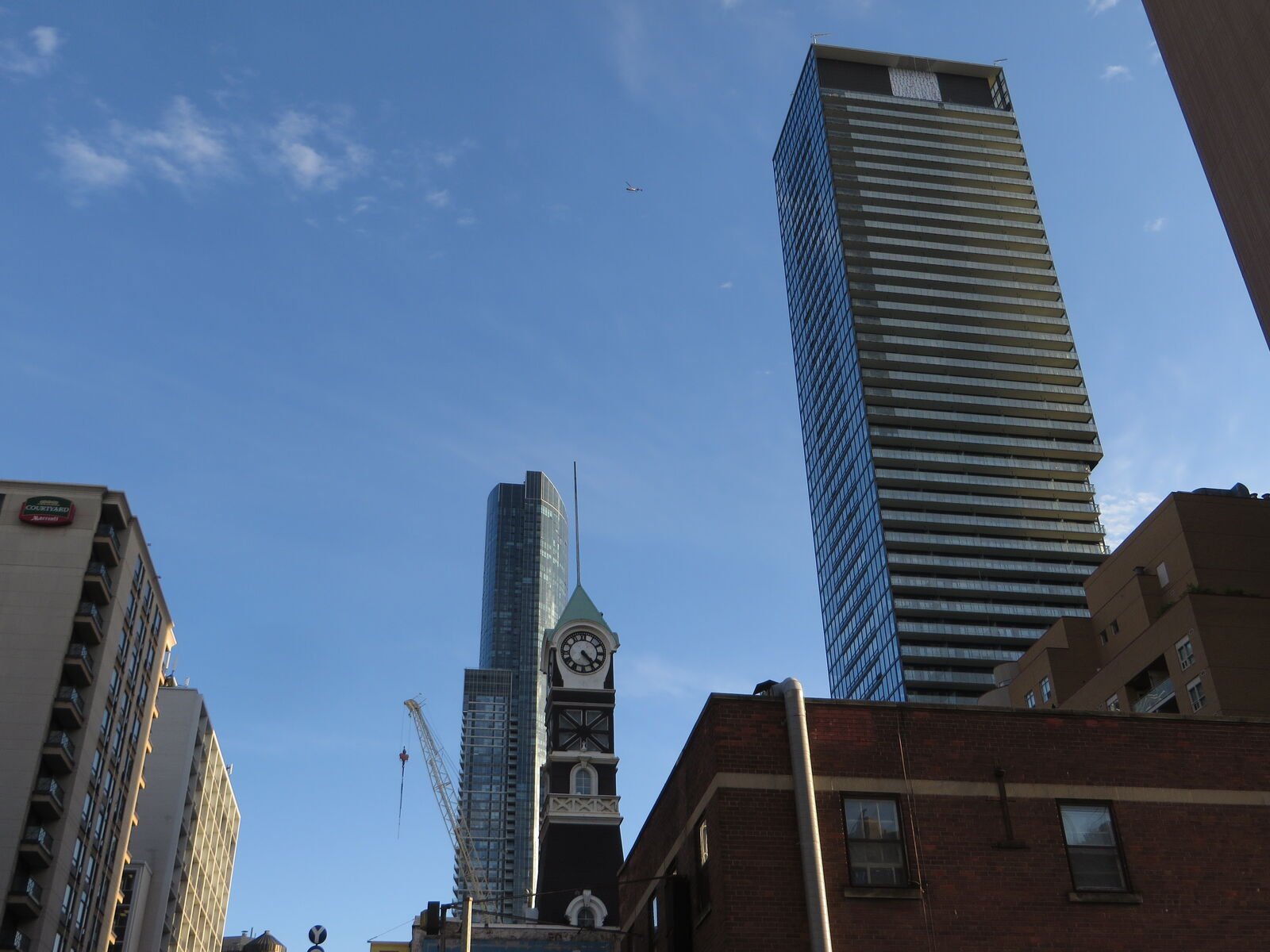
Downtown Yonge Street, Toronto — illustrative; Toronto Police Service is one of 27 forces listed in the proposed order — Photo: Ken Lund, CC BY-SA 2.0

Policy Watch|Canada

Ottawa proposes letting 27 police services, from Toronto to Victoria, jam cellphone signals

A proposed Industry Minister’s order in the Canada Gazette (Part I, 10 October 2026) would exempt employees of 27 named police services, including the OPP, Sûreté du Québec, Toronto, Montréal, Calgary and Vancouver police, from the Radiocommunication Act’s ban on jammers. Until now only the RCMP, the military and prison services have been exempted. The order sets purposes and conditions, but no expiry, no warrant requirement and no public reporting of uses. Comments are open until about 9 November.

Daily Teabag Desk·Centre
EN
Downtown Yonge Street, Toronto — Photo: Ken Lund, CC BY-SA 2.0

Economy & Jobs|Canada

Canada loses 68,000 jobs in September, its second monthly drop, and unemployment rises to 6.5%

Statistics Canada’s Labour Force Survey, released 9 October 2026, shows employment fell 68,000 (−0.3%) in September after a 42,000 drop in August. The unemployment rate rose 0.1 point to 6.5%. Youth took most of the hit (−48,000), public-sector employees fell 70,000, and Quebec lost 49,000 jobs while Alberta gained 23,000. Participation fell to 64.8%, the lowest since December 1997 outside the pandemic.

Daily Teabag Desk·Centre
EN
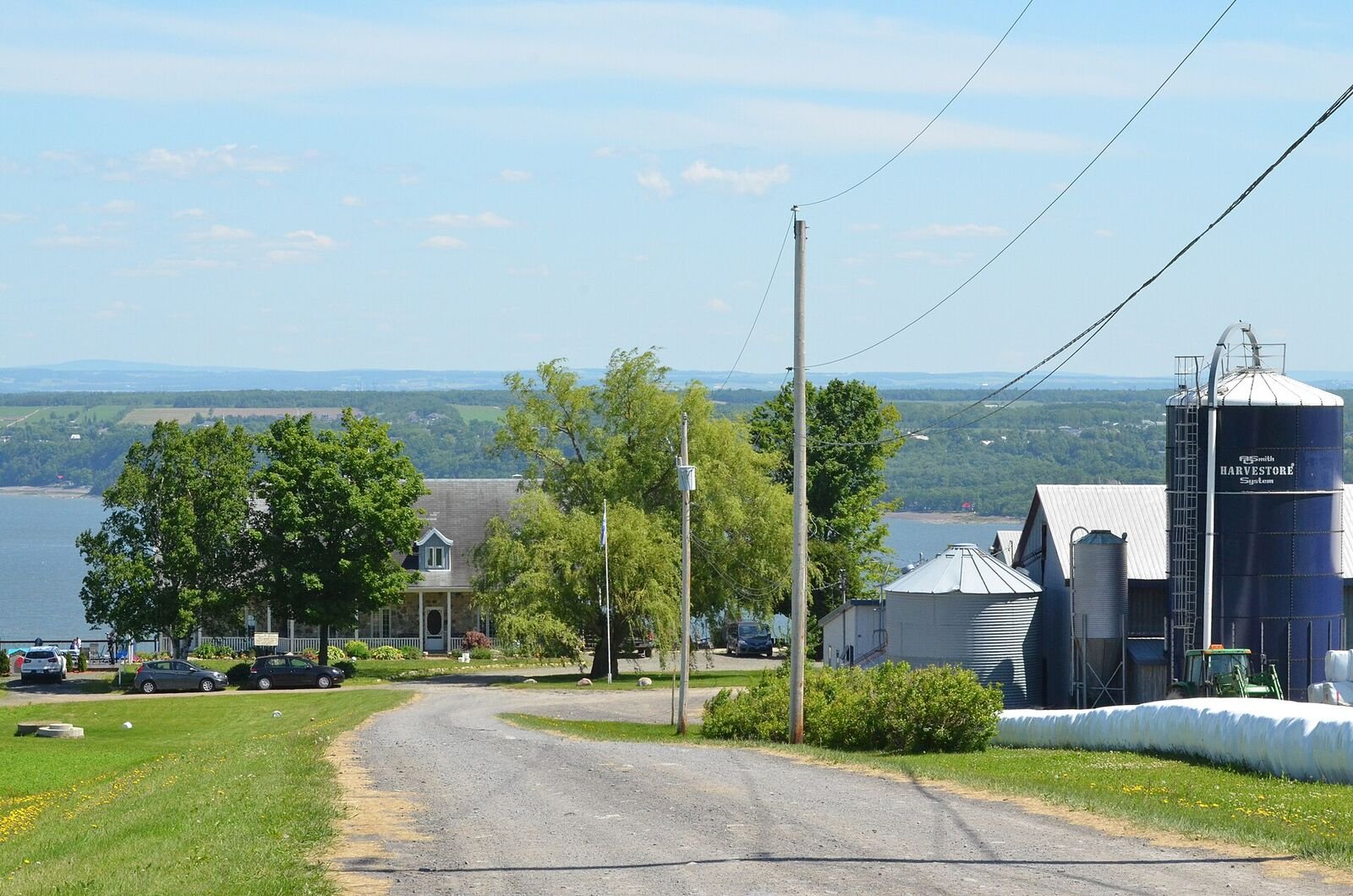
Farm and silos on Île d’Orléans, near Québec City — not a polling station — Photo: Guillaume666 / Antoine Letarte, CC BY-SA 3.0

Accountability|Canada

Parti Québécois wins a minority: 59 of 127 seats as the CAQ is shut out, in Élections Québec’s preliminary count

With all 20,704 polling stations reported overnight, Élections Québec’s preliminary results give the Parti Québécois 59 seats on 28.0% of the vote, five short of a majority. The Liberals take 40, the Conservatives 19, and Québec solidaire 9. The governing CAQ wins none despite 13.3% of the vote. Turnout was 66.9%. The PQ’s 35,000-a-year immigration pledge is now a governing party’s promise, not yet a provincial plan. Update, 7 October: after the official addition of the votes, seat totals are unchanged; Vachon’s margin is now 10 votes.

Daily Teabag Desk·Centre
EN
Centre Block, Parliament Hill, Ottawa — the PBO reports to Parliament; not an Alto site — Photo: Ken Lund, CC BY-SA 2.0

Debt & Fiscal|Canada

PBO prices Alto high-speed rail at $75–113 billion, above Ottawa’s $60–90 billion range

The Parliamentary Budget Officer’s 1 October 2026 report, requested by the Senate finance committee, estimates the baseline Toronto–Québec City route (without the Kingston option) would cost $75 billion to $113 billion to build, in 2024 dollars. The government’s own range is $60–90 billion. Tunnels, the Canadian Shield, and later start dates drive the number. Ridership and operating costs come in a second report.

Daily Teabag Desk·Centre
EN
Farm and silos on Île d’Orléans, Quebec — Photo: Guillaume666 / Antoine Letarte, CC BY-SA 3.0

Accountability|Canada

Québec election: permanent-admission targets collide with capacity

Élections Québec set polling day for 5 October 2026. In the final Radio-Canada leaders’ debate (23 September), parties restated permanent-immigration thresholds from 35,000 (PQ) to 70,000 (Québec solidaire), with CAQ and Conservatives around 45,000 — while Liberals kept a capacity-range hedge.

Daily Teabag Desk·Slight right
EN
