Skip to content
The Daily TeabagThe Daily Teabag

Section

Debt & Fiscal

Public debt, deficits, interest costs, and what governments spend versus deliver.

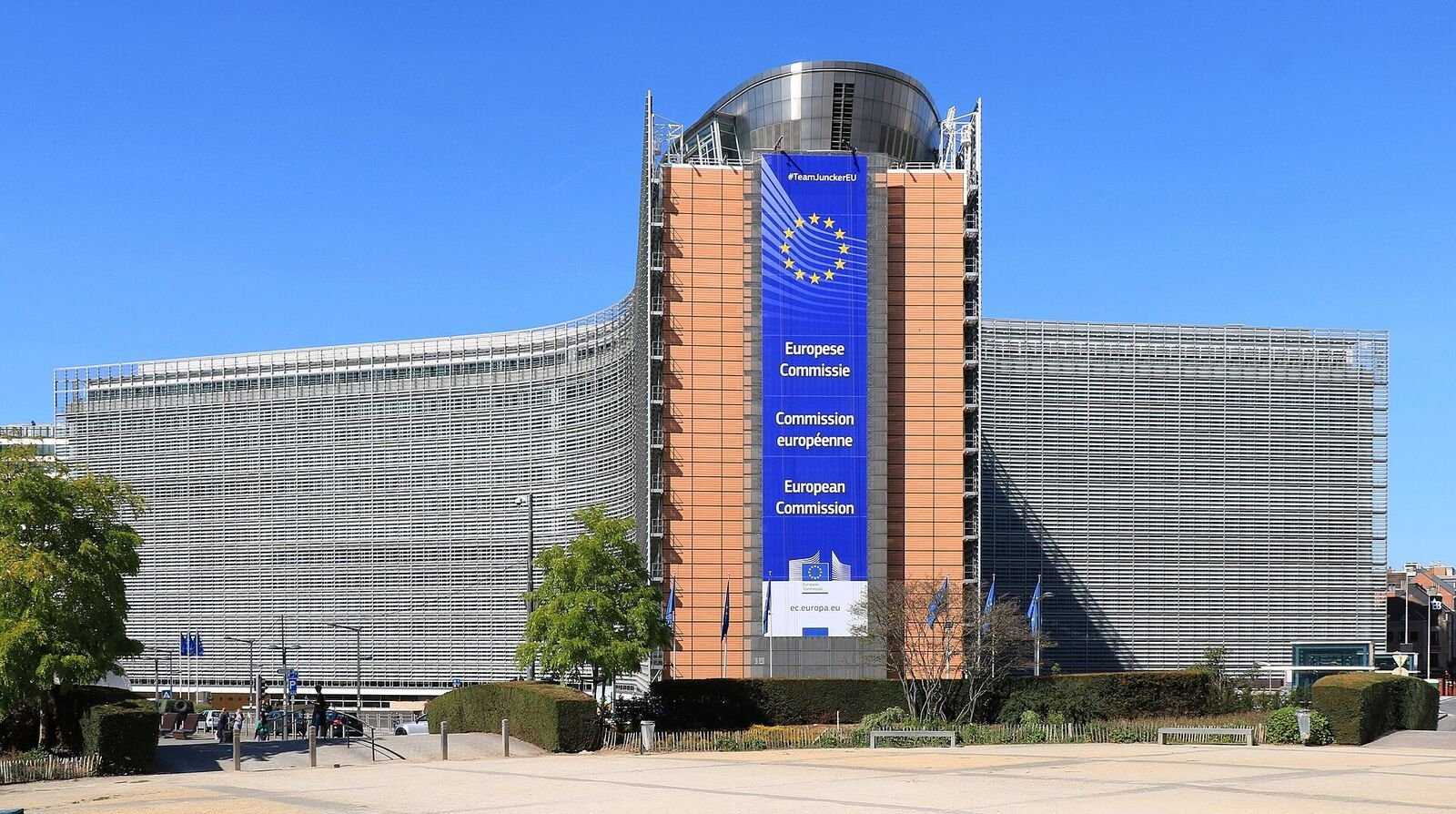
Berlaymont building, European Commission, Brussels — Photo: EmDee, CC BY-SA 4.0

Debt & Fiscal|European Union

EU auditors: 3.8% of 2025 spending was affected by error, and EU borrowing could reach €1 trillion by 2027

The European Court of Auditors’ annual reports on the 2025 budget, published 8 October 2026, sign off the accounts but give an adverse opinion on spending, with an estimated error rate of 3.8% (2024: 3.6%). Outstanding EU borrowing hit €738.9 billion at end-2025 and could reach €1 trillion by 2027. The Commission has not published an overall plan to repay NextGenerationEU by 2058.

Daily Teabag Desk·Centre

Centre Block, Parliament Hill, Ottawa — Photo: Ken Lund, CC BY-SA 2.0

Debt & Fiscal|Canada

PBO: hitting NATO’s 3.5% core defence target means $163.6 billion a year by 2035-36, and a deficit $63.7 billion bigger that year

A Parliamentary Budget Officer primer published 6 October 2026 works through what Canada’s NATO pledge costs. On a gradual path, core defence spending rises from $95.7 billion in 2030-31 to $163.6 billion in 2035-36. That is $70.1 billion more than staying at 2% of GDP. On an accrual basis it would add $63.7 billion to the deficit in 2035-36 and 5.7 points of GDP to federal debt. The PBO says the paths are illustrative, not projections, and that the extra cost is not yet in budget forecasts.

Daily Teabag Desk·Centre
Centre Block, Parliament Hill, Ottawa — the PBO reports to Parliament; not an Alto site — Photo: Ken Lund, CC BY-SA 2.0

Debt & Fiscal|Canada

PBO prices Alto high-speed rail at $75–113 billion, above Ottawa’s $60–90 billion range

The Parliamentary Budget Officer’s 1 October 2026 report, requested by the Senate finance committee, estimates the baseline Toronto–Québec City route (without the Kingston option) would cost $75 billion to $113 billion to build, in 2024 dollars. The government’s own range is $60–90 billion. Tunnels, the Canadian Shield, and later start dates drive the number. Ridership and operating costs come in a second report.

Daily Teabag Desk·Centre