Farmers vs Alto: Quebec’s tractor line against a $90-billion rail carve-up
Landowners near Rigaud say Ottawa’s high-speed dream means broken farms, shaky ridership math, and expropriation risk — and they’re telling officials to get off their property.
Why this lean: Lean right (+55): centers property-rights and cost-control objections from farmers against a Crown megaproject. Does not deny rail benefits; frames the live dispute as expropriation risk and capital escalation under C-5-era speed.
Lean score (−100 far left to +100 far right; 0 = centre) reflects how this article frames the issue — language emphasis and narrative tilt — not a verdict on truth. Data-first pieces with balanced sources trend toward centre. Disclosed for transparency; not a ranking of correctness.
Lean score (−100 far left to +100 far right; 0 = centre) reflects how this article frames the issue — language emphasis and narrative tilt — not a verdict on truth. Data-first pieces with balanced sources trend toward centre. Disclosed for transparency; not a ranking of correctness.
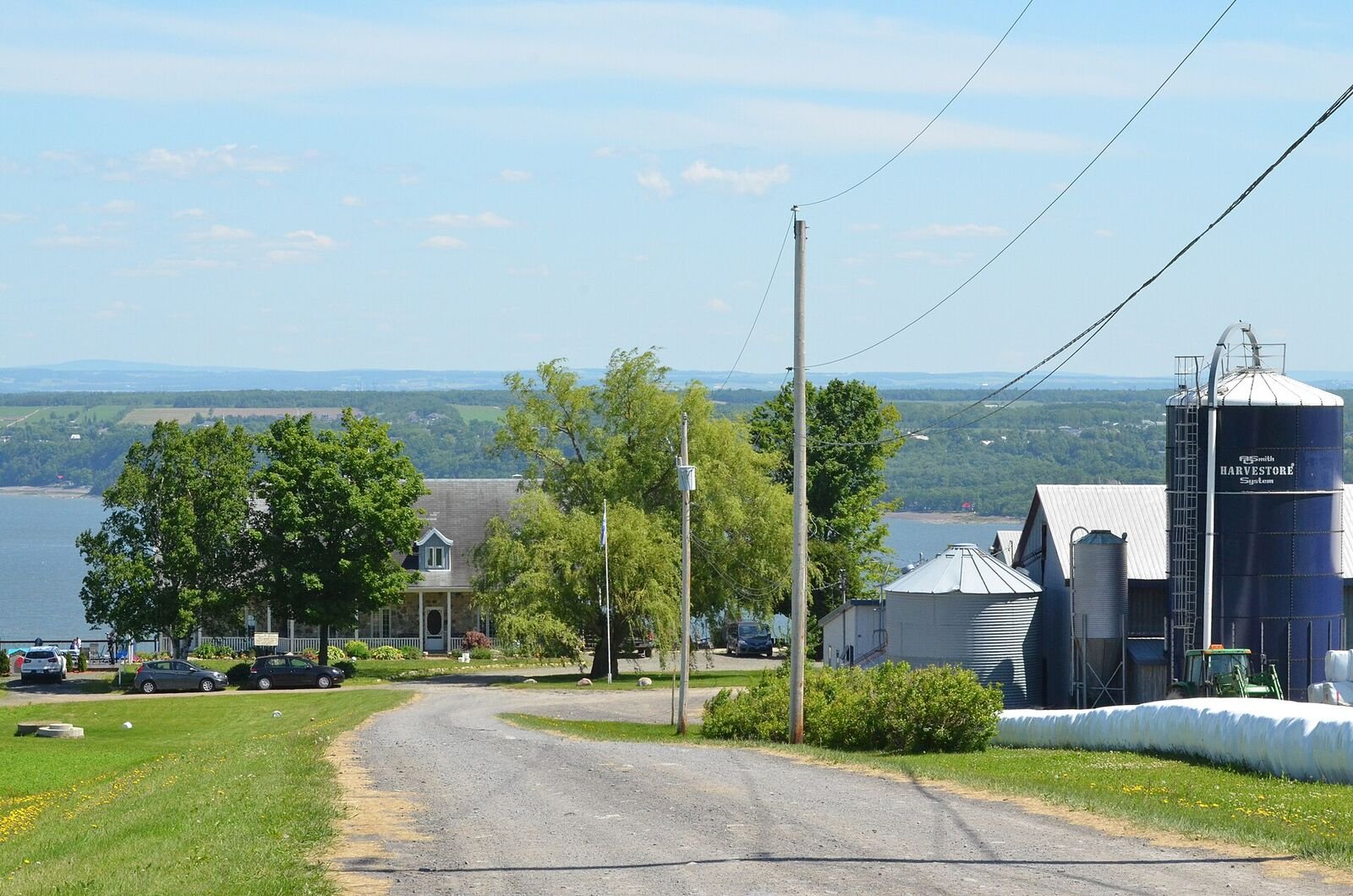
On 19 September 2026, Quebec farmers, landowners, and rural residents staged a tractor rally at Ferme Legault near Rigaud — the Strong and United Rally — against the federal Alto high-speed rail corridor (Toronto–Quebec City, ~300 km/h) and the farmland carve-up they say comes with it.
Independent and local coverage put the cost fight front and centre. Rebel News live updates framed a roughly $90-billion project; The Review of Vankleek Hill quoted lawyer Erin Durant warning costs could run toward $150 billion from earlier $60–80 billion estimates. Corridor talk in tip coverage includes roughly 1,000 km of alignment and rights-of-way up to about 60 metres wide — enough, farmers argue, to bisect working land and invite expropriation with weak consultation.
Tractors rolled not over diesel headlines, but over land, letters, and a Crown megaproject’s bill.
Who showed: CTV’s Ottawa desk described “hundreds” at the Rigaud-area protest. Parti conservateur du Québec leader Éric Duhaime addressed the crowd against the project. Cadence P3 / Alto Crown-corp framing is the federal delivery vehicle under the Carney government — farmers are demanding route transparency and property-first consultation, not another ridership PowerPoint.
This is classic citizen pushback against federal overreach: property rights, taxpayer exposure on a ballooning capital programme, and rural voices who say Ottawa plans corridors on maps before it plans lives on the ground. Corroboration is multi-source — Rebel live, the local Review, and CTV video — so the rally itself is not a single-outlet tip.
Bottom line: Alto’s official materials still sell speed and climate. Rigaud’s tractor line sold a simpler ledger: broken farms, rising billions, and expropriation risk. Daily Teabag will track Alto cost updates and any formal expropriation notices as primary documents land.
Bill C-39, the Building Canada Strong Act, is still at second reading. On 5 October 2026, the House’s first day back, the Projected Order of Business puts it first under Government Orders: resuming debate on the previous question moved by Ryan Turnbull on 25 September, with a legislative-committee referral pending. Labour Code s.107 guardrails and Indigenous consultation clocks are the live citizen fights. Update, 8 October: at midnight on 7 October the House carried the previous question on division; the second-reading recorded division is deferred to 8 October after Question Period, and its 11-member legislative committee has been named. Update, 9 October: on 8 October the House passed second reading 296–26 (Division 178) and referred C-39 to the Legislative Committee on Bill C-39, chaired by James Maloney. Conservatives and Liberals voted yes; the Bloc, the NDP and Elizabeth May voted no. The bill is not yet law.
The Parliamentary Budget Officer’s 1 October 2026 report, requested by the Senate finance committee, estimates the baseline Toronto–Québec City route (without the Kingston option) would cost $75 billion to $113 billion to build, in 2024 dollars. The government’s own range is $60–90 billion. Tunnels, the Canadian Shield, and later start dates drive the number. Ridership and operating costs come in a second report.
Indigenous, environmental, and labour coalitions filled downtown Toronto against the PM’s trillion-dollar pitch — and named Mackenzie Valley, Grays Bay, and a nuclear DGR as the next Building Canada Act flashpoints.
Order in Council PC 2026-0925 (1 October 2026) amends Schedule 1 of the Building Canada Act to list the West Coast Oil Pipeline — branded Pacific Link by Ottawa and Alberta — as a project of national interest. That starts a single federal review and conditions track toward 1 September 2027. It is not a CER certificate and not construction.