Skip to content
The Daily TeabagThe Daily Teabag

FR

Bureau français

Nous construisons un bureau francophone curaté. Ce n’est pas une traduction automatique du corpus anglais — nous refusons de publier du contenu non relu.

Québec

Liste des articles Québec avec intro FR honnête et badges EN sur les fiches anglaises.

Ouvrir /fr/quebec →

Le bureau Canada reste la couverture sourcée en anglais pour Ottawa et les provinces.

Contact: hello@thedailyteabag.com

Canada desk — latest (EN)

Downtown Yonge Street, Toronto — illustrative; Toronto Police Service is one of 27 forces listed in the proposed order — Photo: Ken Lund, CC BY-SA 2.0

Policy Watch|Canada

Ottawa proposes letting 27 police services, from Toronto to Victoria, jam cellphone signals

A proposed Industry Minister’s order in the Canada Gazette (Part I, 10 October 2026) would exempt employees of 27 named police services, including the OPP, Sûreté du Québec, Toronto, Montréal, Calgary and Vancouver police, from the Radiocommunication Act’s ban on jammers. Until now only the RCMP, the military and prison services have been exempted. The order sets purposes and conditions, but no expiry, no warrant requirement and no public reporting of uses. Comments are open until about 9 November.

Daily Teabag Desk·Centre

Farm and silos on Île d’Orléans, Quebec — illustrative; not a site named in the bill — Photo: Guillaume666 / Antoine Letarte, CC BY-SA 3.0

Policy Watch|Canada

Budget bill would end Canada’s automatic 15-year safety re-evaluation of pesticides

Division 13 of Bill C-31, the Budget 2025 Implementation Act, No. 2, would replace the Pest Control Products Act’s mandatory re-evaluation of every registered pesticide after 15 years with an “assessment” on available information. A full re-evaluation would follow only if the Health Minister has reasonable grounds to believe risks have “increased significantly.” The finance committee heard objections last week; amendments are due 22 October.

Daily Teabag Desk·Centre
Daily Teabag policy graphic

Economy & Jobs|United States, Canada

U.S. sets out how Canadian and Mexican goods can count American parts and metal to cut a 25% tariff

A Commerce Department notice publishing on 14 October 2026 tells U.S. Customs what counts as “U.S. content” for USMCA-qualifying goods from Canada and Mexico under Proclamation 11032. Those goods pay the 25% steel-and-aluminum duty only on their non-U.S. content, with a 15% floor. The guidance lets importers count U.S.-made parts and, separately, steel melted and poured or aluminum and copper smelted and cast in the U.S.

Daily Teabag Desk·Centre
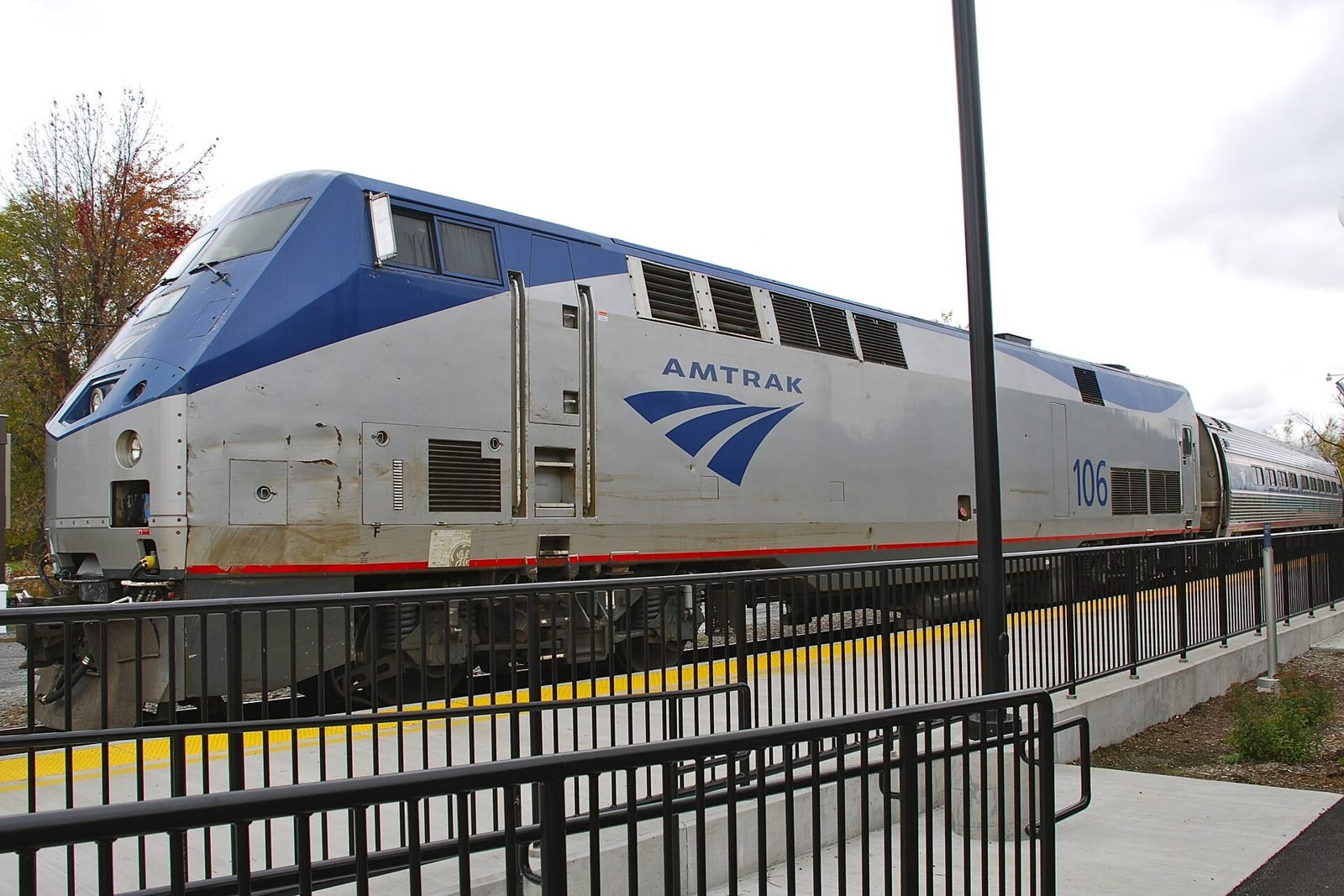
Amtrak Adirondack train at Rouses Point, New York, near the Quebec border — illustrative; the proposal does not name specific services — Photo: David McCormack, CC BY 2.0

Policy Watch|United States, Canada

U.S. border agency proposes making railways send it every cross-border passenger’s details an hour before the train leaves

A U.S. Customs and Border Protection proposed rule, scheduled for Federal Register publication on 13 October 2026, would require rail carriers to transmit each passenger’s and crew member’s name, date of birth, sex, citizenship, residence, travel-document details, itinerary, U.S. address, seat, and phone and email if given, at least 60 minutes before any train leaves for or from the United States, including trains to and from Canada. Sharing this data has been voluntary since 2005, and CBP says one carrier does it now. Comments are open for 60 days.

Daily Teabag Desk·Centre
Calgary Courts Centre, home of the Court of Appeal of Alberta’s Calgary registry — Photo: Ultimateshot, CC BY-SA 3.0

Policy Watch|Canada

Alberta’s top court rules 4–1 that Ottawa’s amended Impact Assessment Act still oversteps on provincial projects

In Reference re Impact Assessment Act, as amended, 2026 ABCA 320, released 9 October 2026, a majority of the Court of Appeal of Alberta found that the ‘designated projects’ part of the federal Impact Assessment Act and its Physical Activities Regulations remains unconstitutional except where it applies to federal undertakings. Parliament rewrote the scheme in 2024 after the Supreme Court struck down the original in 2023. One judge dissented. The opinion is advisory and the Act stays on the books unless Parliament changes it or the Supreme Court agrees.

Daily Teabag Desk·Centre
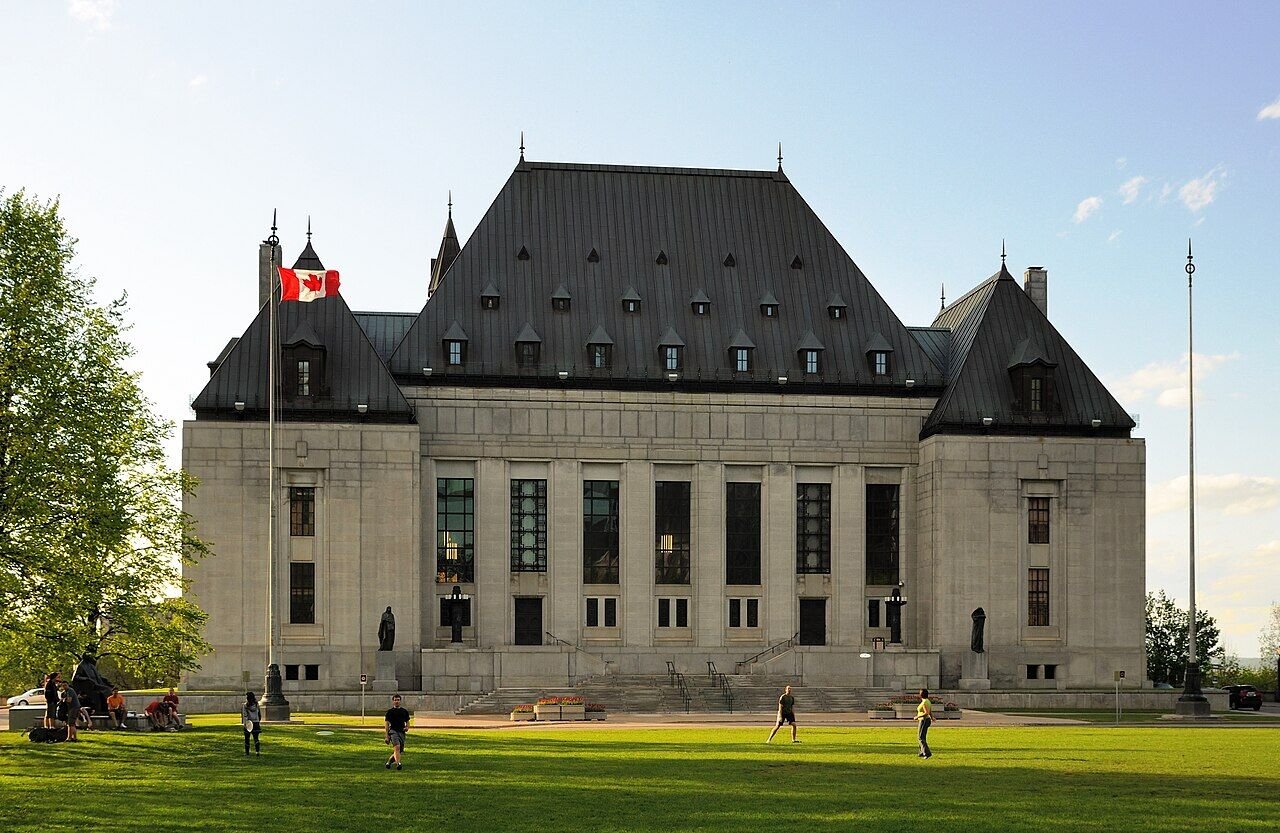
Supreme Court of Canada, Ottawa — Photo: Wladyslaw, CC BY-SA 3.0

Policy Watch|Canada

Supreme Court, 5–4, keeps a three-year term for a Mi’kmaw man who beat his partner, and tells judges to weigh sentencing circles

In R. v. Cope, 2026 SCC 32, released 9 October 2026, the Supreme Court of Canada dismissed the Crown’s appeal and left in place the Nova Scotia Court of Appeal’s cut from five years to three for aggravated assault. The majority set out a three-step method for cases where both offender and victim are Indigenous. Four judges, including the Chief Justice, dissented and would have restored five years.

Daily Teabag Desk·Centre

Tout le bureau Canada →