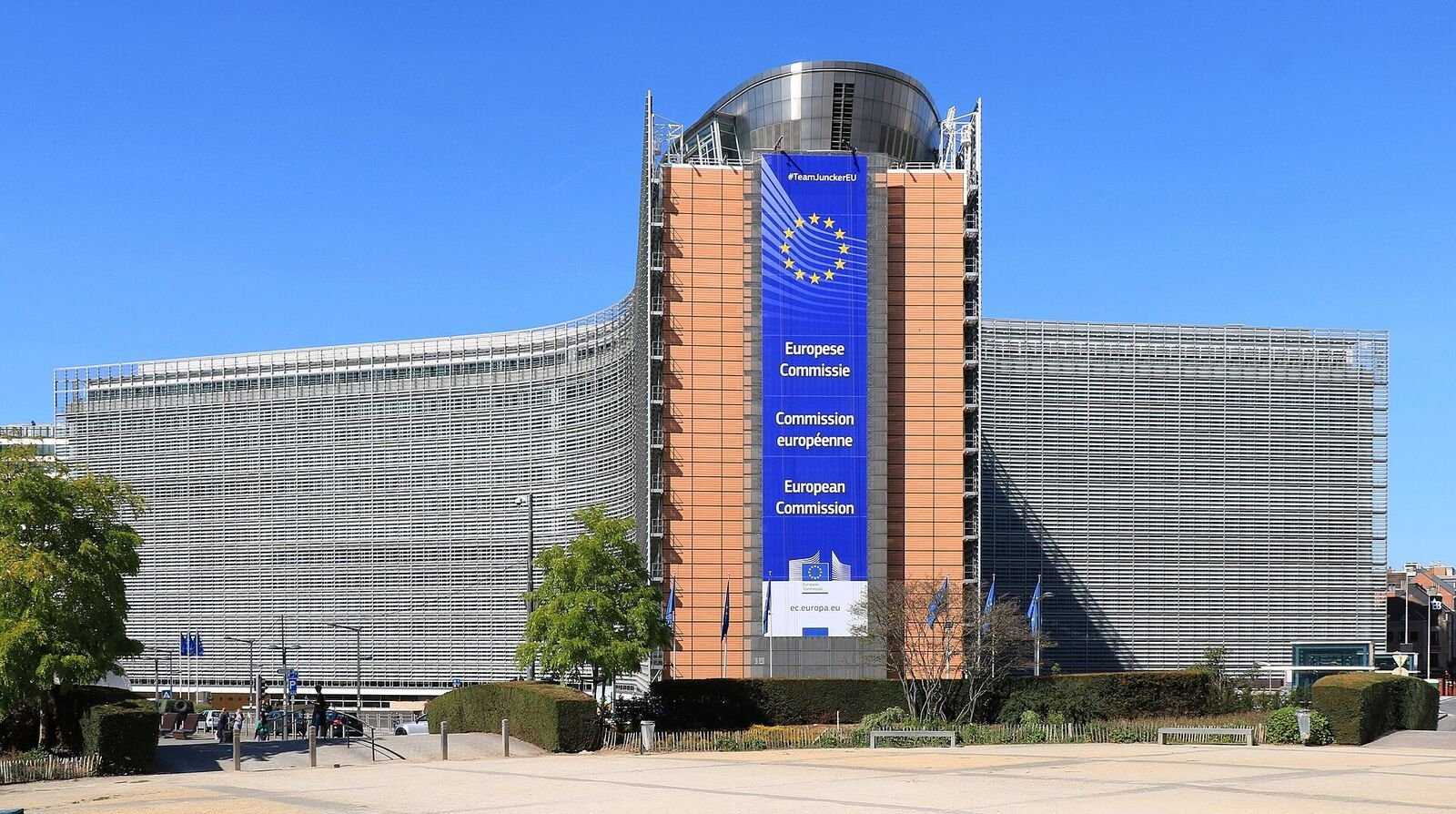
On 14 October 2026 the European Commission adopted COM(2026) 569 final (procedure 2026/0325(COD)), a proposal to amend Regulation (EU) 2024/1787 on methane emissions in the energy sector “as regards the postponement of certain obligations.” It is a two-article text. Article 1 rewrites Articles 28(1), 28(2), 29(1) and 29(2) of the Methane Regulation; Article 2 says the change takes effect 20 days after publication in the Official Journal. It needs the European Parliament and the Council to pass it under the ordinary legislative procedure.
What moves
- Proof of equivalent monitoring (Art. 28). Under the current regulation, importers must show from 1 January 2027 that contracts concluded or renewed after 4 August 2024 cover only oil, gas or coal subject to monitoring, reporting and verification equivalent to EU rules. The proposal sets the first annual demonstration and report for 31 May 2029, covering the previous calendar year. The parallel “reasonable efforts” report on older contracts moves to the same date.
- Methane-intensity reporting (Art. 29(1)). Importers and EU producers would first report the methane intensity of what they put on the EU market by 5 August 2029, instead of 5 August 2028.
- Maximum intensity values (Art. 29(2)). The first demonstration that supply is below the EU’s maximum methane-intensity values would move from 5 August 2030 to 5 August 2031, for contracts concluded or renewed after 5 August 2030.
The 5 May 2025 obligation for importers to report what their suppliers do on methane is not touched. Neither are the rules for EU-based operators on leak detection, repairs, venting and flaring.
The Commission says the regulation “does not impose restrictions on energy imports,” but importers told it they might not secure enough compliant supply by 1 January 2027.
Why the Commission says it is needed
The explanatory memorandum points to the closure of the Strait of Hormuz since 27 February 2026. It cites IEA figures that about 20% of global LNG supply and 25% of seaborne oil trade have been affected. It says importers “might therefore not be in a position to secure sufficient compliant energy supplies as of 1 January 2027.” The extra year is also meant to let member states finish national penalty regimes, accredit verifiers and recognise compliance-solution providers. The Commission says the proposal keeps the regulation’s ambition, adds no new requirements and is “not expected to increase administrative costs.” It wants Parliament and Council to agree “swiftly and without delay.”
What this piece refuses
Do not write that the EU has “scrapped” or “suspended” the Methane Regulation, or that the delay is in force. This is a Commission proposal; until Parliament and Council adopt it, the 1 January 2027 date stands. Do not write that it delays everything by exactly one year from 1 January 2027. The text sets the first equivalence report for 31 May 2029, covering the prior year. We do not estimate price effects; the Commission gives none.
Bottom line
Verified as of 15 October 2026 from COM(2026) 569 final, the Commission’s press release IP/26/2119 and its Q&A QANDA/26/2120: the Commission proposes moving the importer equivalence obligation and the methane-intensity reporting and limit dates in Regulation (EU) 2024/1787 back by one year. Watch whether Parliament fast-tracks it before 1 January 2027, and whether either co-legislator tries to widen it; the Commission says the process should preserve the proposal’s “essential scope.”