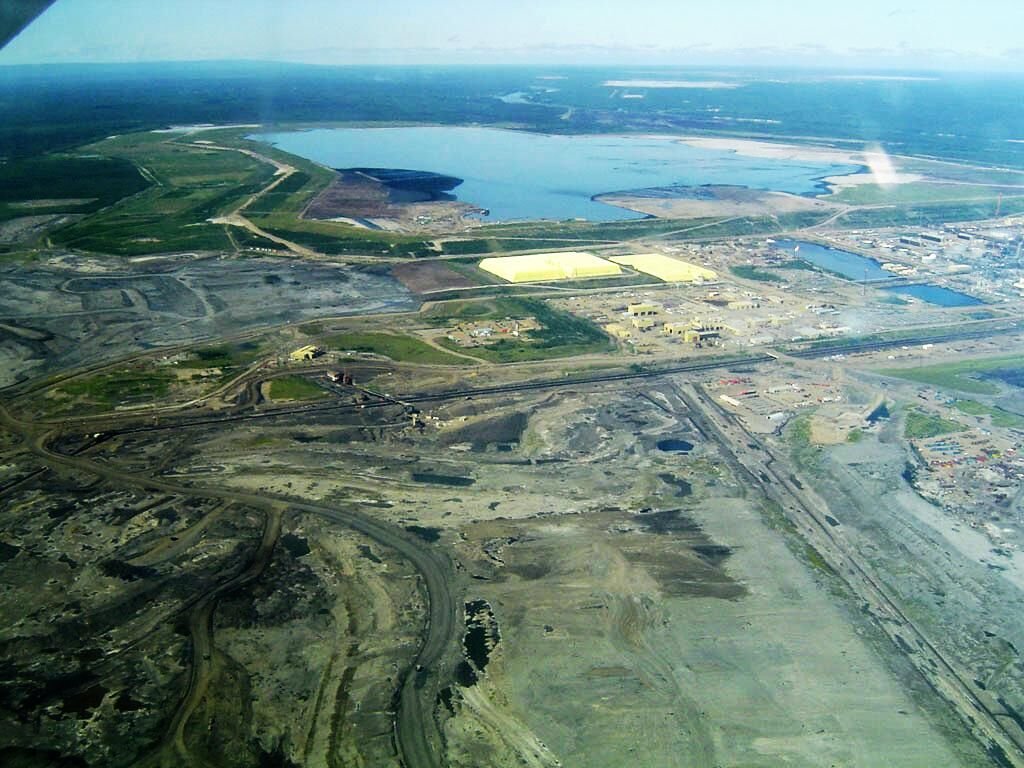
Industrial carbon stays — Alberta–Ottawa bargain softens the price path and tees up a West Coast pipeline
After the consumer fuel charge went to $0 on 1 April 2025, federal OBPS remains. A 15 May 2026 Canada–Alberta industrial carbon pathway softens the price schedule toward $140/t by 2040 and is tied to a pathway for roughly 1 Mb/d West Coast oil pipeline construction start as early as 1 September 2027.
Why this lean: Slight-right lean (+15): documents industry competitiveness win and climate-group weakening critique without invented emissions deltas.
Lean score (−100 far left to +100 far right; 0 = centre) reflects how this article frames the issue — language emphasis and narrative tilt — not a verdict on truth. Data-first pieces with balanced sources trend toward centre. Disclosed for transparency; not a ranking of correctness.
Lean score (−100 far left to +100 far right; 0 = centre) reflects how this article frames the issue — language emphasis and narrative tilt — not a verdict on truth. Data-first pieces with balanced sources trend toward centre. Disclosed for transparency; not a ranking of correctness.
Canada’s consumer fuel charge fell to $0 effective 1 April 2025. The federal Output-Based Pricing System (OBPS) for industrial emitters remains. On 15 May 2026, Ottawa and Alberta announced an implementation pathway for industrial carbon pricing: Alberta’s TIER headline climbs toward $140 per tonne by 2040 (versus a prior federal schedule aiming at $170 by 2030), with coverage of effective market-price talk near $130 and a phased credit floor (e.g. $60 from 2030 toward $110 by 2040 in contemporaneous coverage).
Industrial carbon was not abolished — the bargain softened the price path and attached a West Coast export corridor timeline.
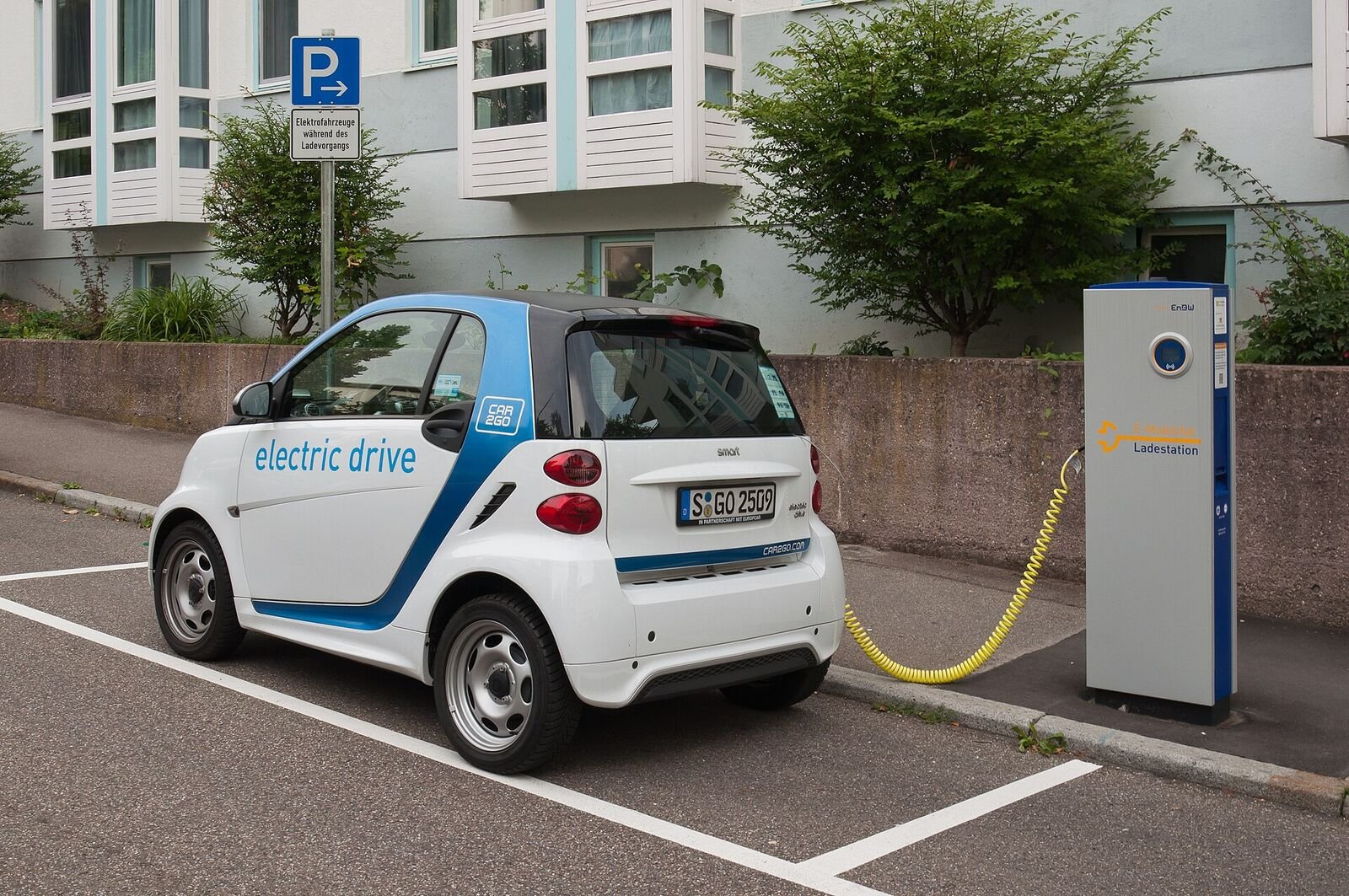
Citizen impact: Pump prices no longer carry the federal consumer carbon line item; large industrial emitters still face OBPS/TIER. The May package is also tied to a pathway for roughly 1 million barrels per day West Coast oil pipeline construction start as early as 1 September 2027, plus Pathways CCS — an MOU/pathway is not final Impact Assessment approval or Indigenous consent.
What this is not
This is distinct from Quebec Alto farmland expropriation coverage and from diesel-pump snapshots on the carbon-and-fuel hub. It is pricing + export corridor politics.
Contested: Industry competitiveness win versus climate-group “weakening” critiques. Refuse invented emissions deltas. Refuse “pipeline already approved/built.”
Bottom line
Industrial carbon stays; the schedule softened; a pipeline pathway was teed up. Documents first — Reuters wire, ECCC OBPS page, and federal export-package framing.
Order in Council PC 2026-0925 (1 October 2026) amends Schedule 1 of the Building Canada Act to list the West Coast Oil Pipeline — branded Pacific Link by Ottawa and Alberta — as a project of national interest. That starts a single federal review and conditions track toward 1 September 2027. It is not a CER certificate and not construction.
Canada Gazette Part I on 15 August 2026 proposes repealing the Electric Vehicle Availability Standard’s ZEV sales targets and credit system. Comment window runs to 29 October 2026. Fleet GHG rules would remain — this is not “EVs banned tomorrow.”
Joint-venture partners took a final investment decision on LNG Canada’s Phase 2 expansion in Kitimat, B.C. Company primary: capacity rises from 14 to 28 million tonnes a year. The PMO (29 Sep) welcomed a $33-billion private investment and a companion Coastal GasLink Phase 2 FID — distinct from the West Coast oil-pipeline Schedule 1 listing (PC 2026-0925, 1 Oct) tracked separately on this site.
Bill C-39, the Building Canada Strong Act, is still at second reading. On 5 October 2026, the House’s first day back, the Projected Order of Business puts it first under Government Orders: resuming debate on the previous question moved by Ryan Turnbull on 25 September, with a legislative-committee referral pending. Labour Code s.107 guardrails and Indigenous consultation clocks are the live citizen fights. Update, 8 October: at midnight on 7 October the House carried the previous question on division; the second-reading recorded division is deferred to 8 October after Question Period, and its 11-member legislative committee has been named. Update, 9 October: on 8 October the House passed second reading 296–26 (Division 178) and referred C-39 to the Legislative Committee on Bill C-39, chaired by James Maloney. Conservatives and Liberals voted yes; the Bloc, the NDP and Elizabeth May voted no. The bill is not yet law.