Skip to content
The Daily TeabagThe Daily Teabag

Topic

#Carney

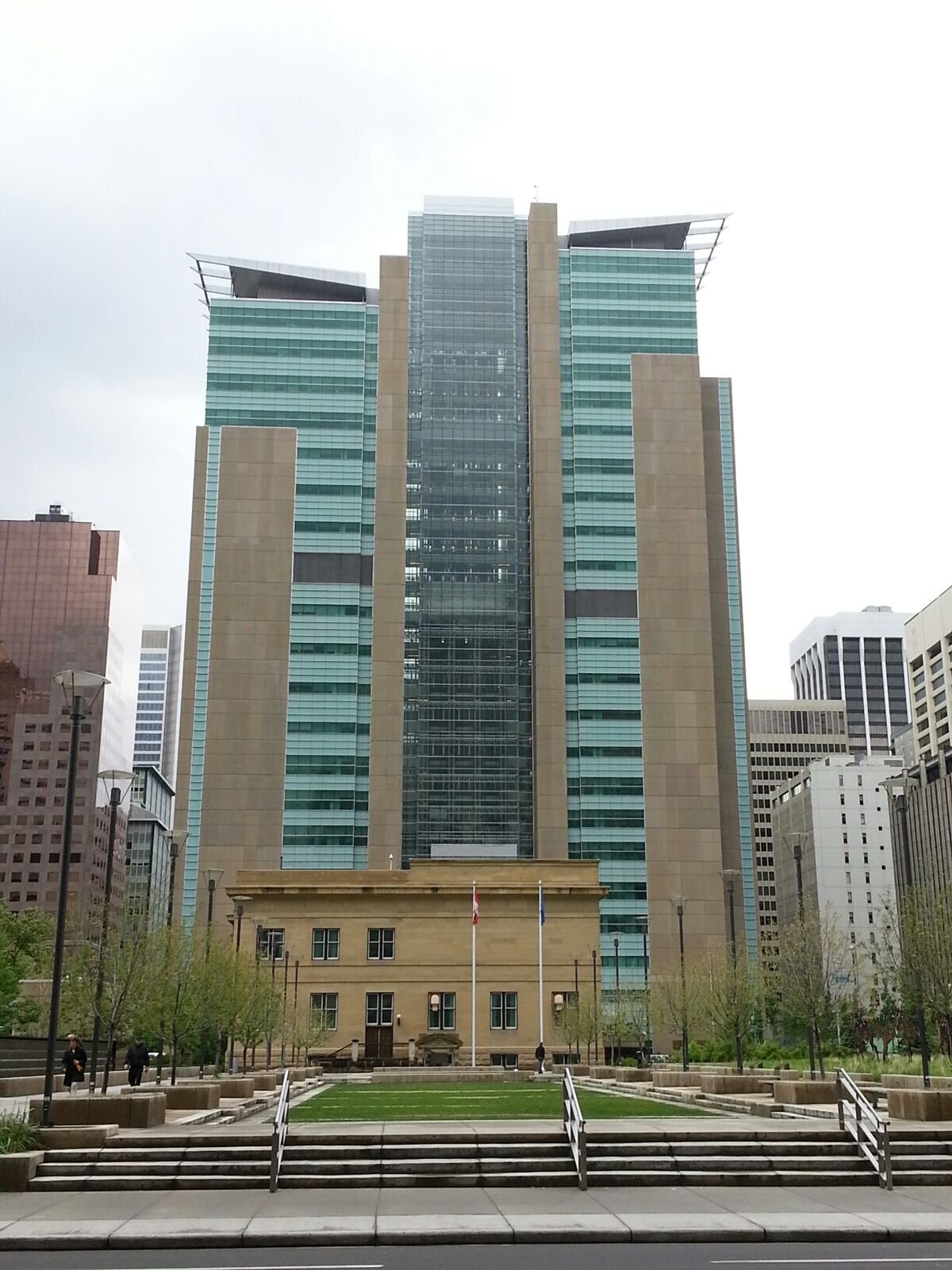
Calgary Courts Centre, home of the Court of Appeal of Alberta’s Calgary registry — Photo: Ultimateshot, CC BY-SA 3.0

Policy Watch|Canada

Alberta’s top court rules 4–1 that Ottawa’s amended Impact Assessment Act still oversteps on provincial projects

In Reference re Impact Assessment Act, as amended, 2026 ABCA 320, released 9 October 2026, a majority of the Court of Appeal of Alberta found that the ‘designated projects’ part of the federal Impact Assessment Act and its Physical Activities Regulations remains unconstitutional except where it applies to federal undertakings. Parliament rewrote the scheme in 2024 after the Supreme Court struck down the original in 2023. One judge dissented. The opinion is advisory and the Act stays on the books unless Parliament changes it or the Supreme Court agrees.

Daily Teabag Desk·Centre

Centre Block, Parliament Hill, Ottawa — Photo: Ken Lund, CC BY-SA 2.0

Cost of Living|Canada

PBO: the federal fuel-tax pause costs $4.9 billion this year and saves the average family $276, with top earners getting 3.5 times what the lowest get

A Parliamentary Budget Officer cost estimate for Bill C-38, published 8 October 2026, puts the cost of suspending federal fuel excise taxes from 20 April 2026 to 31 January 2027, then halving them to 31 March, at $4.943 billion in 2026-27. Average savings are $276 per family, from $132 in the lowest income quintile to $468 in the highest. The House has agreed to sit until midnight on 19 October to deal with C-38.

Daily Teabag Desk·Centre
Centre Block, Parliament Hill, Ottawa — Photo: Ken Lund, CC BY-SA 2.0

Policy Watch|Canada

Ottawa says it will keep MAID closed to mental illness alone and allow advance requests. Hours later, the House defeats the Conservative bill 187–141

On 7 October 2026 Justice Minister Sean Fraser and Health Minister Marjorie Michel said a government bill this fall will keep the exclusion of MAID where mental illness is the sole condition “on an indeterminate basis” and will allow advance requests, with provinces deciding whether to permit them. That afternoon the House rejected Conservative MP Tamara Jansen’s Bill C-218 at second reading, 141–187. No government bill has been tabled. Under current law, the exclusion still ends on 17 March 2027.

Daily Teabag Desk·Centre
Centre Block, Parliament Hill, Ottawa — Photo: Ken Lund, CC BY-SA 2.0

Debt & Fiscal|Canada

PBO: hitting NATO’s 3.5% core defence target means $163.6 billion a year by 2035-36, and a deficit $63.7 billion bigger that year

A Parliamentary Budget Officer primer published 6 October 2026 works through what Canada’s NATO pledge costs. On a gradual path, core defence spending rises from $95.7 billion in 2030-31 to $163.6 billion in 2035-36. That is $70.1 billion more than staying at 2% of GDP. On an accrual basis it would add $63.7 billion to the deficit in 2035-36 and 5.7 points of GDP to federal debt. The PBO says the paths are illustrative, not projections, and that the extra cost is not yet in budget forecasts.

Daily Teabag Desk·Centre
Centre Block, Parliament Hill, Ottawa — Photo: Ken Lund, CC BY-SA 2.0

Accountability|Canada

Bill C-40 would make Ottawa’s defence-buying agency a Crown corporation, with a $1 billion drawing limit and 13 grounds to skip competitive bidding

Introduced 6 October 2026, the Strengthening Canada’s Defence Sector Act turns the Defence Investment Agency into the Canadian Corporation for Defence Investment. It could lend, guarantee and buy shares, and draw up to $1 billion at a time from the Consolidated Revenue Fund. A rewritten Defence Production Act requires competition for contracts but lets the minister waive it on 13 listed grounds. The bill does not add the new corporation to the Access to Information Act’s list of covered institutions.

Daily Teabag Desk·Centre
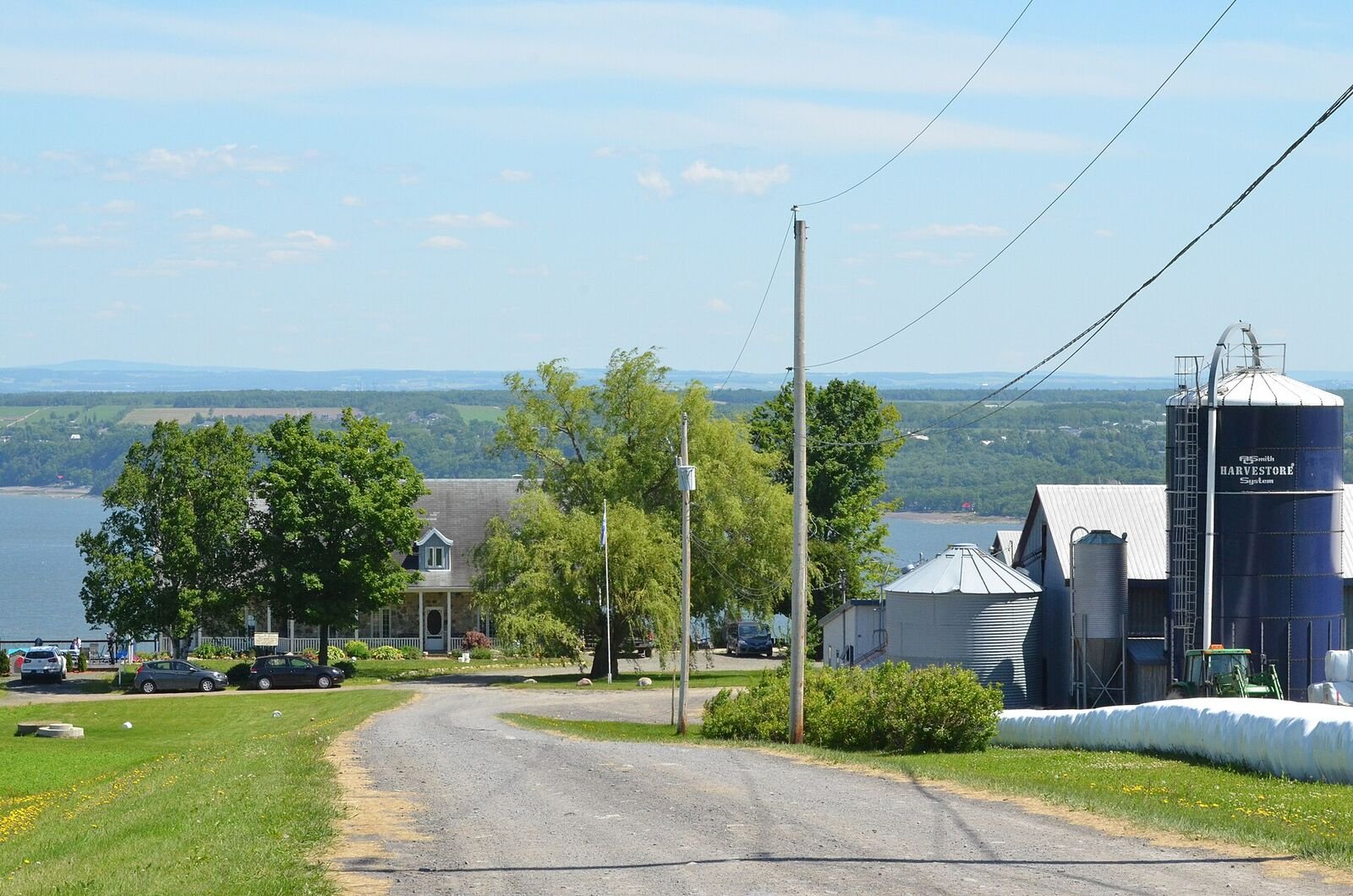
Farm and silos on Île d’Orléans, near Québec City — not a polling station — Photo: Guillaume666 / Antoine Letarte, CC BY-SA 3.0

Accountability|Canada

Parti Québécois wins a minority: 59 of 127 seats as the CAQ is shut out, in Élections Québec’s preliminary count

With all 20,704 polling stations reported overnight, Élections Québec’s preliminary results give the Parti Québécois 59 seats on 28.0% of the vote, five short of a majority. The Liberals take 40, the Conservatives 19, and Québec solidaire 9. The governing CAQ wins none despite 13.3% of the vote. Turnout was 66.9%. The PQ’s 35,000-a-year immigration pledge is now a governing party’s promise, not yet a provincial plan. Update, 7 October: after the official addition of the votes, seat totals are unchanged; Vachon’s margin is now 10 votes.

Daily Teabag Desk·Centre
Centre Block, Parliament Hill, Ottawa — the PBO reports to Parliament; not an Alto site — Photo: Ken Lund, CC BY-SA 2.0

Debt & Fiscal|Canada

PBO prices Alto high-speed rail at $75–113 billion, above Ottawa’s $60–90 billion range

The Parliamentary Budget Officer’s 1 October 2026 report, requested by the Senate finance committee, estimates the baseline Toronto–Québec City route (without the Kingston option) would cost $75 billion to $113 billion to build, in 2024 dollars. The government’s own range is $60–90 billion. Tunnels, the Canadian Shield, and later start dates drive the number. Ridership and operating costs come in a second report.

Daily Teabag Desk·Centre
British Columbia Parliament Buildings, Victoria — Photo: Michal Klajban, CC BY-SA 4.0

Economy & Jobs|Canada

LNG Canada Phase 2: Kitimat FID doubles export capacity to 28 mtpa

Joint-venture partners took a final investment decision on LNG Canada’s Phase 2 expansion in Kitimat, B.C. Company primary: capacity rises from 14 to 28 million tonnes a year. The PMO (29 Sep) welcomed a $33-billion private investment and a companion Coastal GasLink Phase 2 FID — distinct from the West Coast oil-pipeline Schedule 1 listing (PC 2026-0925, 1 Oct) tracked separately on this site.

Daily Teabag Desk·Slight right
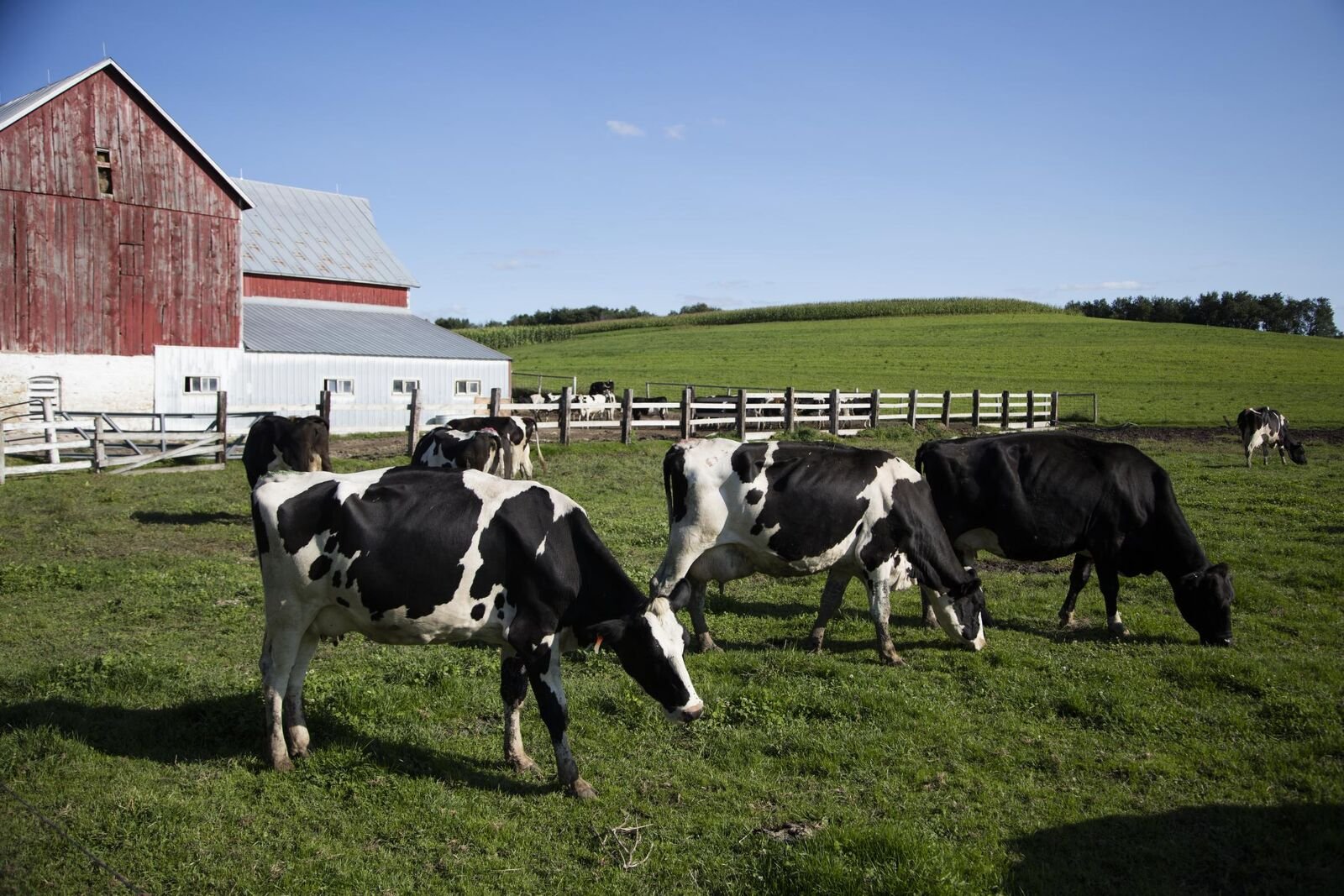
Dairy farm landscape near Westby, Wisconsin — Photo: Royalbroil, CC BY-SA 3.0

Accountability|Canada, United States

U.S. bars certain Canadian alcohol, dairy and motorcycles — Section 338 exclusions hit

Presidential Proclamations 11061, 11062 and 11063 exclude specified Canadian alcoholic beverages, dairy products and motor-vehicle products from importation into the United States effective 29 September 2026 at 12:01 a.m. ET — escalating from the prior 50% Section 338 duties. CBP is rejecting covered entries in ACE. Distinct from steel tariffs that Stelco cited when idling Hamilton cold-rolled lines.

Daily Teabag Desk·Slight right
Centre Block, Parliament Hill, Ottawa — Photo: Ken Lund, CC BY-SA 2.0

Data Desk|Canada

PBO: Carney’s operating-budget anchor misses 2028–29 — capital labels look inconsistent

The Parliamentary Budget Officer’s 24 September 2026 note on the Operating Budget Fiscal Anchor projects balance in 2029–30, one year after Budget 2025’s 2028–29 target and two years after the prime minister’s 15 September claim of a 2027–28 path. Granular Finance attributions of “operating” vs “capital” look contradictory in places.

Daily Teabag Desk·Slight right
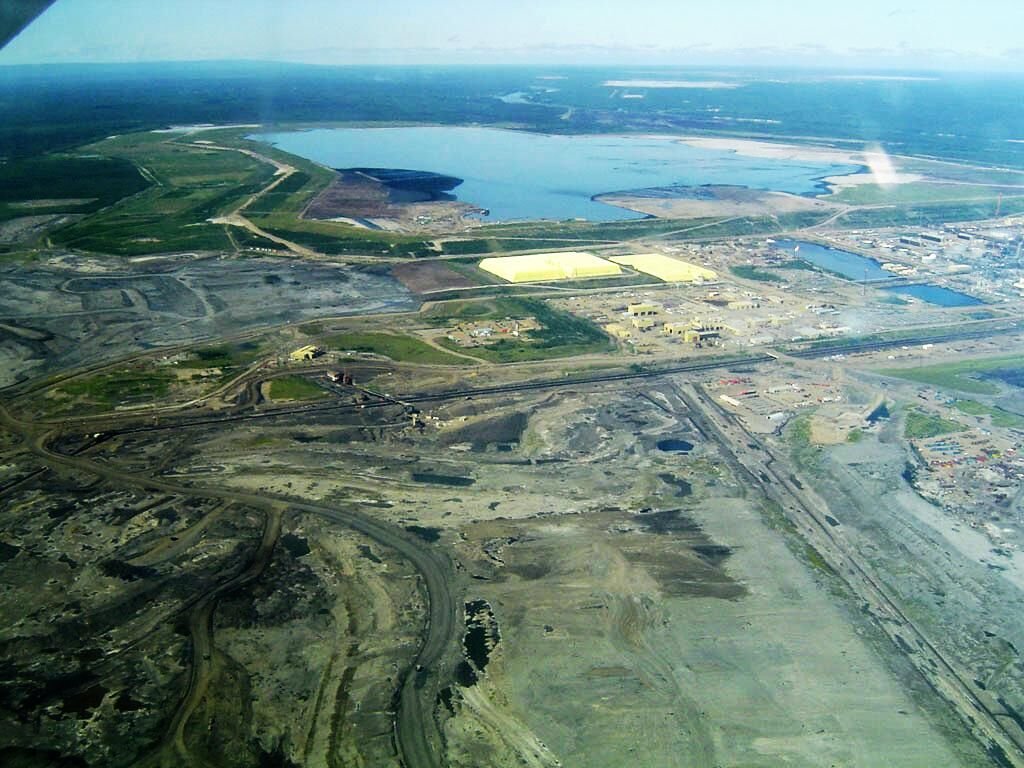
Syncrude Mildred Lake plant, Alberta — Photo: TastyCakes / Jamitzky, public domain

Accountability|Canada

Pacific Link listed: West Coast oil pipeline added to Building Canada Act Schedule 1

Order in Council PC 2026-0925 (1 October 2026) amends Schedule 1 of the Building Canada Act to list the West Coast Oil Pipeline — branded Pacific Link by Ottawa and Alberta — as a project of national interest. That starts a single federal review and conditions track toward 1 September 2027. It is not a CER certificate and not construction.

Daily Teabag Desk·Slight right
Centre Block, Parliament Hill, Ottawa — Photo: Ken Lund, CC BY-SA 2.0

Accountability|Canada

Bill C-39 passes second reading 296–26 and goes to a legislative committee; the Building Canada Strong Act is still not law

Bill C-39, the Building Canada Strong Act, is still at second reading. On 5 October 2026, the House’s first day back, the Projected Order of Business puts it first under Government Orders: resuming debate on the previous question moved by Ryan Turnbull on 25 September, with a legislative-committee referral pending. Labour Code s.107 guardrails and Indigenous consultation clocks are the live citizen fights. Update, 8 October: at midnight on 7 October the House carried the previous question on division; the second-reading recorded division is deferred to 8 October after Question Period, and its 11-member legislative committee has been named. Update, 9 October: on 8 October the House passed second reading 296–26 (Division 178) and referred C-39 to the Legislative Committee on Bill C-39, chaired by James Maloney. Conservatives and Liberals voted yes; the Bloc, the NDP and Elizabeth May voted no. The bill is not yet law.

Daily Teabag Desk·Slight right