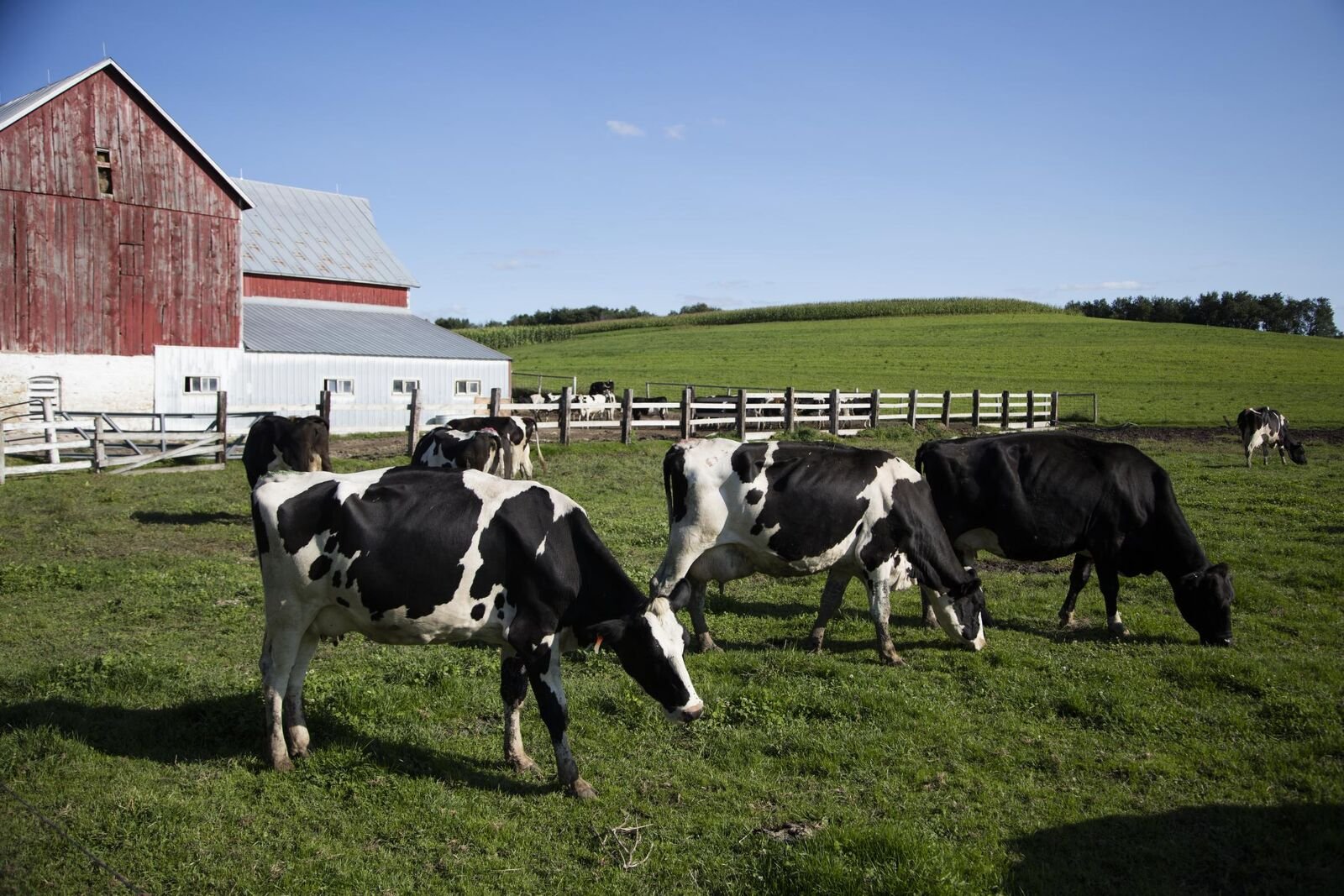
At 12:01 a.m. Eastern Time on 29 September 2026, U.S. Customs and Border Protection began excluding certain products of Canada from importation under three Presidential Proclamations signed 8 September 2026 and published in the Federal Register on 14 September: 11061 (alcoholic beverages), 11062 (dairy), and 11063 (motor vehicles). Covered goods are no longer merely hit with the prior 50% ad valorem duties under the July Section 338 proclamations — they are barred from entry.
An import exclusion is not a tariff. CBP’s guidance is blunt: covered Canadian products are unconditionally rejected — Foreign Trade Zone admission, in-bond moves, and consumption entries included.
What the proclamations actually do
Authority cited is section 338 of the Tariff Act of 1930 (19 U.S.C. §1338), which lets the President exclude articles of a foreign country from importation when that country maintains or increases discrimination against U.S. commerce and the President deems exclusion consistent with the public interest. The September 8 proclamations find that Canada maintained (and, for alcohol, increased) the discriminations described in the July duty proclamations — including provincial alcohol retail bans on U.S. products and dairy tariff-rate-quota allocation practices — after a brief August suspension of duties collapsed when talks failed.
Effective date for goods imported on or after 29 September 2026, 12:01 a.m. ET: annex-listed Canadian products are excluded. Goods imported earlier but not yet entered for consumption remain under the prior 50% duty schedule. CBP CSMS #70050970 lists covered HTSUS headings including 0404, 1702, 1703, 2202–2208, and 8711, with alcohol scope limited where annex language says “Packaged” (bottles, cans, boxes, kegs and similar direct-to-consumption containers).
How we got here (short ledger)
July 2026 proclamations imposed additional Section 338 duties on Canadian alcohol, dairy, and motor-vehicle products. Mid-August Proclamation 11056 briefly suspended those duties after Canada signalled a commitment; the suspension lapsed 22 August when Washington said Ottawa reneged. Saskatchewan’s announced additional levy on U.S. alcohol (effective 8 September in the alcohol proclamation’s findings) is cited as an example of increased discrimination. The September 8 exclusion proclamations are the next escalation rung — signed weeks before the effective date so CBP systems could reject on day one.
Contested: The White House frames the exclusions as reciprocal pressure against Canadian provincial alcohol barriers and dairy TRQ practices. Ottawa and Canadian exporters call the Section 338 path aggressive and damaging to integrated North American supply chains. This piece tracks the verified effective-date exclusion and CBP implementation — not a prediction of negotiation outcomes.
Related steel pressure (do not conflate)
On 28 September, Stelco told workers it will indefinitely idle cold-rolled and coated finishing at Hamilton Works, winding down from 9 October, citing U.S. steel tariffs and a contracted market for those products. Union estimates and company language put the workforce impact at up to about 500 employees, with some absorption possible at Lake Erie Works. Industry Minister Mélanie Joly said Ottawa had offered financial support and called the layoff path “extremely disappointing.” That file rides on steel/aluminum tariff instruments — not Proclamations 11061–11063. Citizens feel both as trade-war cost; editors must keep the legal tracks separate.
Bottom line
Verified as of 30 September 2026: Section 338 import exclusions on annex-listed Canadian alcohol, dairy, and motor-vehicle products are in force since 29 Sep 12:01 a.m. ET; CBP rejects covered ACE entries; prior 50% duties still apply to pre-deadline imports not yet entered. Do not write that “all Canadian food is banned,” invent a proclamation-stated “$1 billion” total, or treat Stelco layoffs as caused by the alcohol/dairy/motorcycle exclusions. Watch any Federal Register technical corrections to the annexes and any Canadian retaliatory instruments.