
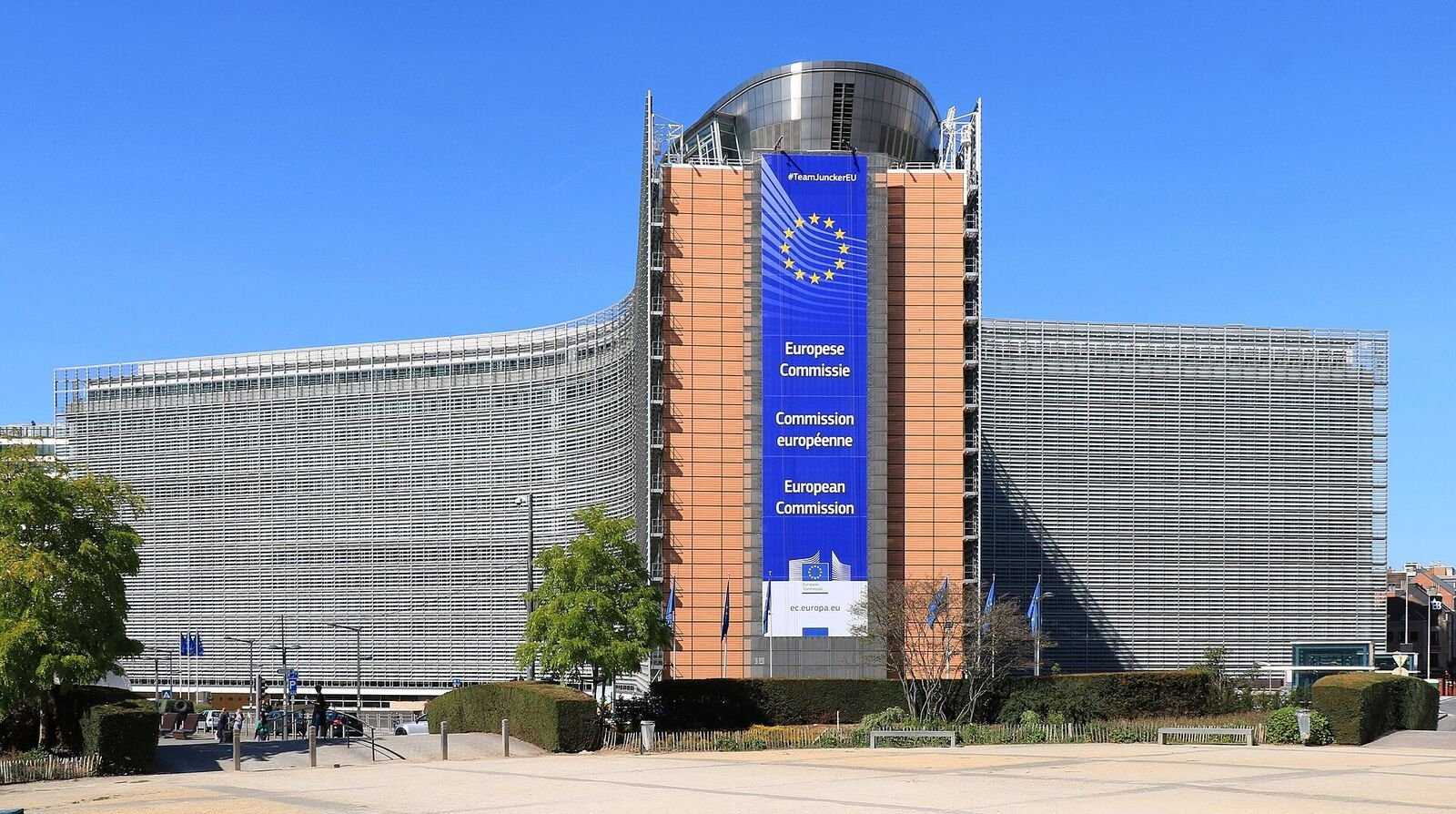
The European Court of Auditors (ECA) published its annual reports on the implementation of the EU budget for 2025 on 8 October 2026. The verdict has three parts:
- The 2025 consolidated accounts “present fairly” the EU’s financial position, and revenue is legal and regular in all material respects.
- Spending gets an adverse opinion. The ECA estimates that 3.8% of budget expenditure was affected by error, up from 3.6% for 2024, and finds the problem widespread in spending subject to complex rules.
- For the Recovery and Resilience Facility (RRF), the ECA gives a qualified opinion on €45.4 billion of grant spending.
“Error” is the auditors’ word for money that should not have been paid out under the rules. It is not an estimate of fraud.
Where the errors are
Expenditure under complex, mainly reimbursement-based rules had an estimated error rate of 5.6%. That spending totalled €75.8 billion, 58.0% of the money the ECA audited. By budget heading, the ECA estimates 6.6% for “cohesion, resilience and values” and 3.9% for “natural resources and environment”, which includes farm spending.
The debt and interest bill
- Financing costs: Higher interest rates mean NGEU financing costs in the current 2021-27 budget period “could thus reach €28.3 billion, around double the Commission’s original forecast of €14.9 billion.”
- Interest in the next budget: Based on Commission figures, interest on NGEU non-repayable support over 2028–2034 could be about €93 billion, assuming full disbursement.
- Repayment plan: For 2028-34 the Commission has proposed a fixed €24 billion a year to cover interest and principal, with interest paid first. The ECA states that “the Commission has not published an overall repayment strategy for NGEU until 2058.”
- Ukraine loans: By mid-2026, approved or agreed loans to Ukraine stood at up to €170.1 billion, of which €70.3 billion had been disbursed by end-2025.
What this piece refuses
Do not report that 3.8% of the EU budget was “stolen” or lost to fraud. The error rate measures irregular payments, not fraud. Do not quote press-conference lines about a “black hole” or “shortfall” as if they were in the report; this piece uses only the report text. Do not report the €1 trillion as already reached. It is the ECA’s outlook for 2027.
Contested: Supporters of joint borrowing say NGEU and Ukraine lending were needed responses to crises and that loans are repaid by their beneficiaries. Fiscal sceptics point to rising interest costs and the missing long-term repayment plan just as the 2028-34 budget is negotiated. The ECA flags the risk without taking a policy side.
Bottom line
Verified as of 8 October 2026: the ECA’s 2025 reports clear the accounts but give an adverse opinion on spending, with a 3.8% estimated error rate. EU borrowing reached €738.9 billion and could hit €1 trillion by 2027. NGEU interest costs are running at about double forecast, and there is no published repayment strategy to 2058. Watch the 2028-34 budget talks for how the €24 billion a year repayment line is funded.
