Skip to content
The Daily TeabagThe Daily Teabag

Topic

#Criminal-Code

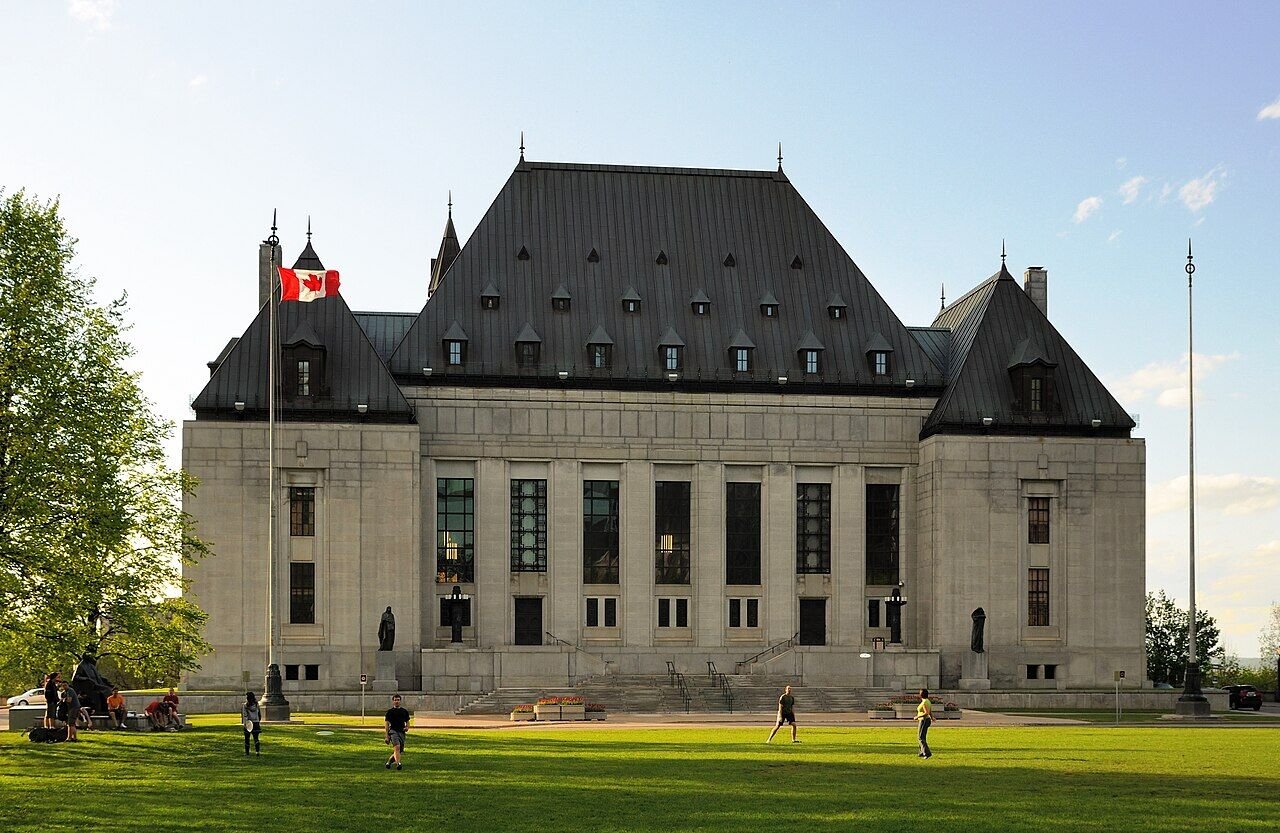
Supreme Court of Canada, Ottawa — Photo: Wladyslaw, CC BY-SA 3.0

Policy Watch|Canada

Supreme Court, 5–4, keeps a three-year term for a Mi’kmaw man who beat his partner, and tells judges to weigh sentencing circles

In R. v. Cope, 2026 SCC 32, released 9 October 2026, the Supreme Court of Canada dismissed the Crown’s appeal and left in place the Nova Scotia Court of Appeal’s cut from five years to three for aggravated assault. The majority set out a three-step method for cases where both offender and victim are Indigenous. Four judges, including the Chief Justice, dissented and would have restored five years.

Daily Teabag Desk·Centre

Abstract policy illustration — The Daily Teabag

Policy Watch|Canada

Youth drug-treatment bill C-231 clears report stage, after committee dropped its ‘no custody for refusing treatment’ clause

Luc Berthold’s private member’s bill amending the Youth Criminal Justice Act was concurred in at report stage on 6 October 2026. Police would have to consider sending youths charged with simple drug possession to treatment, and youth courts could delay sentencing so a young offender can attend a program. The justice committee deleted the original clause barring custody solely for failing to comply with a treatment condition.

Daily Teabag Desk·Centre
Calgary Courts Centre exterior — the judgment was filed at the Calgary registry — Photo: Ultimateshot, CC BY-SA 3.0

Accountability|Canada

Alberta’s top court upholds Coutts weapons convictions while finding more RCMP Charter breaches

In R v Carbert, 2026 ABCA 314 (1 October 2026), the Court of Appeal of Alberta dismissed Chris Carbert’s and Anthony Olienick’s conviction appeals. It ruled the RCMP’s warrantless emergency wiretap of Carbert was never justified, agreed the Coutts property warrant was invalid, and called the combined breaches “not minor.” It still admitted the firearms, citing the public interest in the prosecutions.

Daily Teabag Desk·Centre
Supreme Court of Canada, Ottawa — Photo: Wladyslaw, CC BY-SA 3.0

Policy Watch|Canada

From C-48 reverse onuses to C-14: Canada’s second bail crackdown is now law

Bill C-48’s reverse onuses took effect in January 2024. Bill C-14 (Bail and Sentencing Reform Act) received Royal Assent 15 June 2026 and entered force 15 July 2026 — including a retail-focused sentencing aggravator for theft done to resell, barter, or fraudulently return goods.

Daily Teabag Desk·Slight right