The “Stop Nick Shirley Act” heads to federal court
California’s new immigration-worker privacy law was written after a viral fraud hunter showed up. FIRE warned it chills speech. Shirley’s lawyers say that’s the point.
Why this lean: Lean right (+50): frames AB 2624 as speech-chilling for immigration investigative reporting. Plaintiff theory is foregrounded; California’s privacy/anti-harassment rationale is acknowledged as the state’s stated purpose.
Lean score (−100 far left to +100 far right; 0 = centre) reflects how this article frames the issue — language emphasis and narrative tilt — not a verdict on truth. Data-first pieces with balanced sources trend toward centre. Disclosed for transparency; not a ranking of correctness.
Lean score (−100 far left to +100 far right; 0 = centre) reflects how this article frames the issue — language emphasis and narrative tilt — not a verdict on truth. Data-first pieces with balanced sources trend toward centre. Disclosed for transparency; not a ranking of correctness.
Independent journalist Nick Shirley and America First Legal sued California on 4 September 2026 in the Eastern District of California to block enforcement of AB 2624 — the statute critics nickname the “Stop Nick Shirley Act.” Governor signing was 22 August 2026; the law is set to become operative 1 October 2027.
AB 2624 expands Safe-at-Home-style protections and civil liability around posting “personal information” about immigration-support providers. Defendants named in AFL materials include Attorney General Rob Bonta and Secretary of State Shirley Weber. Reason’s 14 September analysis argued the statute is yet another anti-doxxing frame that still chills investigative reporting; FIRE had previously warned of speech chill even after “specific intent” amendments.
When a privacy bill is timed to a viral investigator, courts — not press releases — decide if viewpoint discrimination is baked in.
Source mix: AFL’s complaint and PR state the plaintiff’s theory; Reason and USA Today / Bloomberg Law coverage corroborate the filing and the statute’s timeline. Quote the bill text for operative definitions — do not treat partisan framing as the statute itself. Merits are unproven; the free-speech chill claim is what the lawsuit asks a court to test.
Citizen angle: investigative reporting on public-facing immigration contractors and NGOs is a classic accountability beat. Lawmakers can protect victims of true doxxing without drafting liability that critics say singles out disfavoured speakers. Shirley’s profile is partisan-adjacent; the First Amendment question is not.
Bottom line: Watch for TRO/PI briefing schedules in E.D. Cal. and whether California defends AB 2624 as neutral privacy or as a content-targeted response to one journalist’s methods.
In United States v. California, No. 2:26-cv-12025 (C.D. Cal., filed 15 October 2026), the Justice Department asks a federal court to stop California from tabulating federal vote-by-mail ballots from people on a federal list of more than 20,000 likely noncitizens until citizenship is verified. The complaint cites 18 U.S.C. § 611 and California’s practice of mailing ballots to every registered voter.
Benita Pedersen faces days of AHRC hearings over a 2023 flyer opposing a rainbow crosswalk. JCCF is defending; Rebel News is pushing a Scrap Section 3 campaign with a Hwy 2 billboard and a UCP convention petition.
On 30 September 2026 Judge Haywood S. Gilliam Jr. vacated the USCIS, CBP, and State Department policies that collected the $100,000 H-1B payment and barred those agencies from enforcing them until they finish notice-and-comment rulemaking and a regulatory-flexibility analysis. The order does not strike Presidential Proclamation 10973 itself. A Massachusetts court had already vacated the same policies; a D.C. court went the other way.
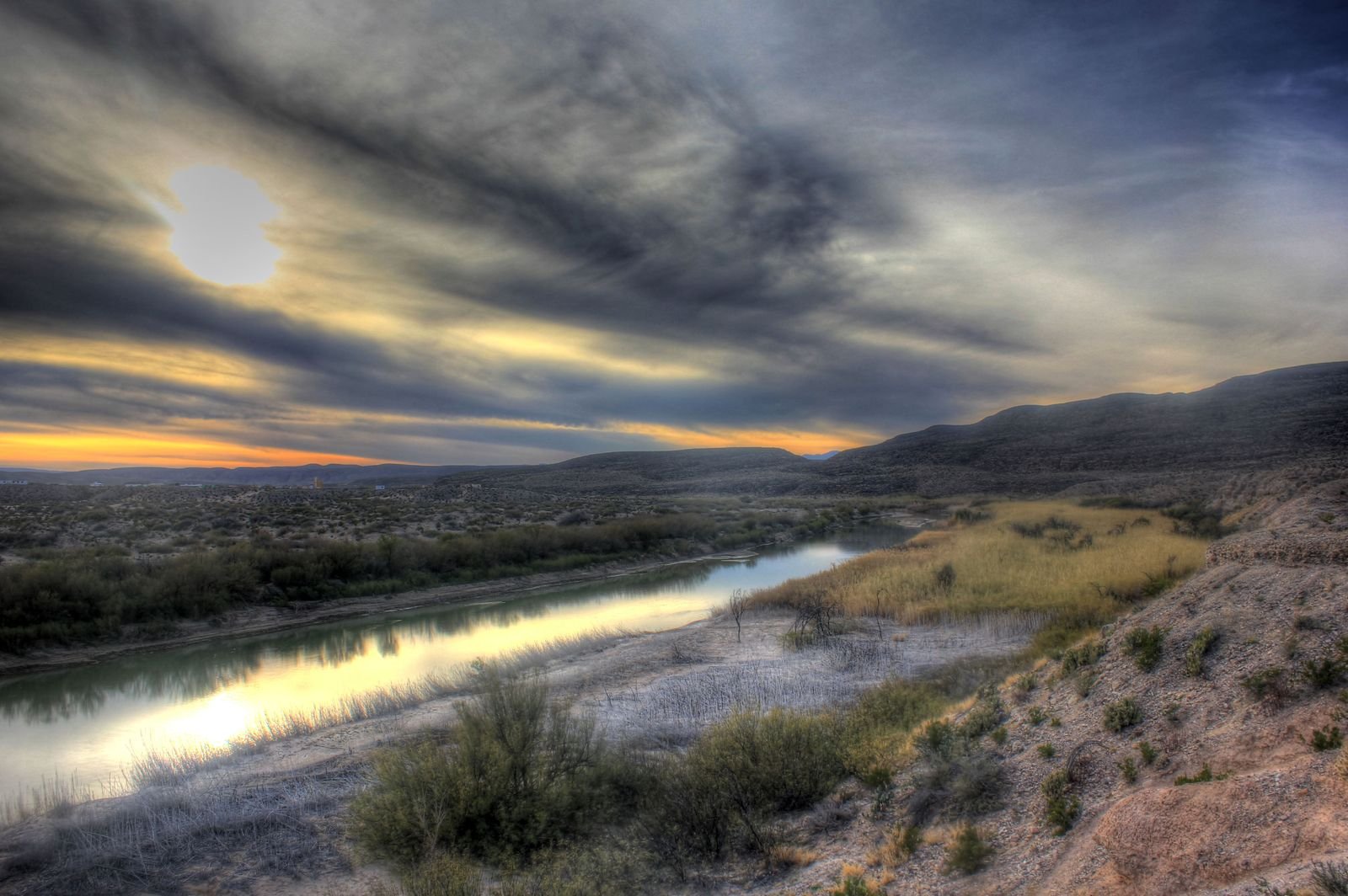
On 2 October 2026 Judge Kathleen Cardone (W.D. Tex.) granted a preliminary injunction in Friends of the Ruidosa Church v. Mullin, No. EP-26-CV-1099-KC. Effective immediately, defendants may not build border barrier or do ground-disturbing work in the Big Bend Sector until they comply with all applicable laws. The order stays the effect of the named Big Bend IIRIRA waivers. A memorandum opinion is still to come — this is not a final merits ruling.