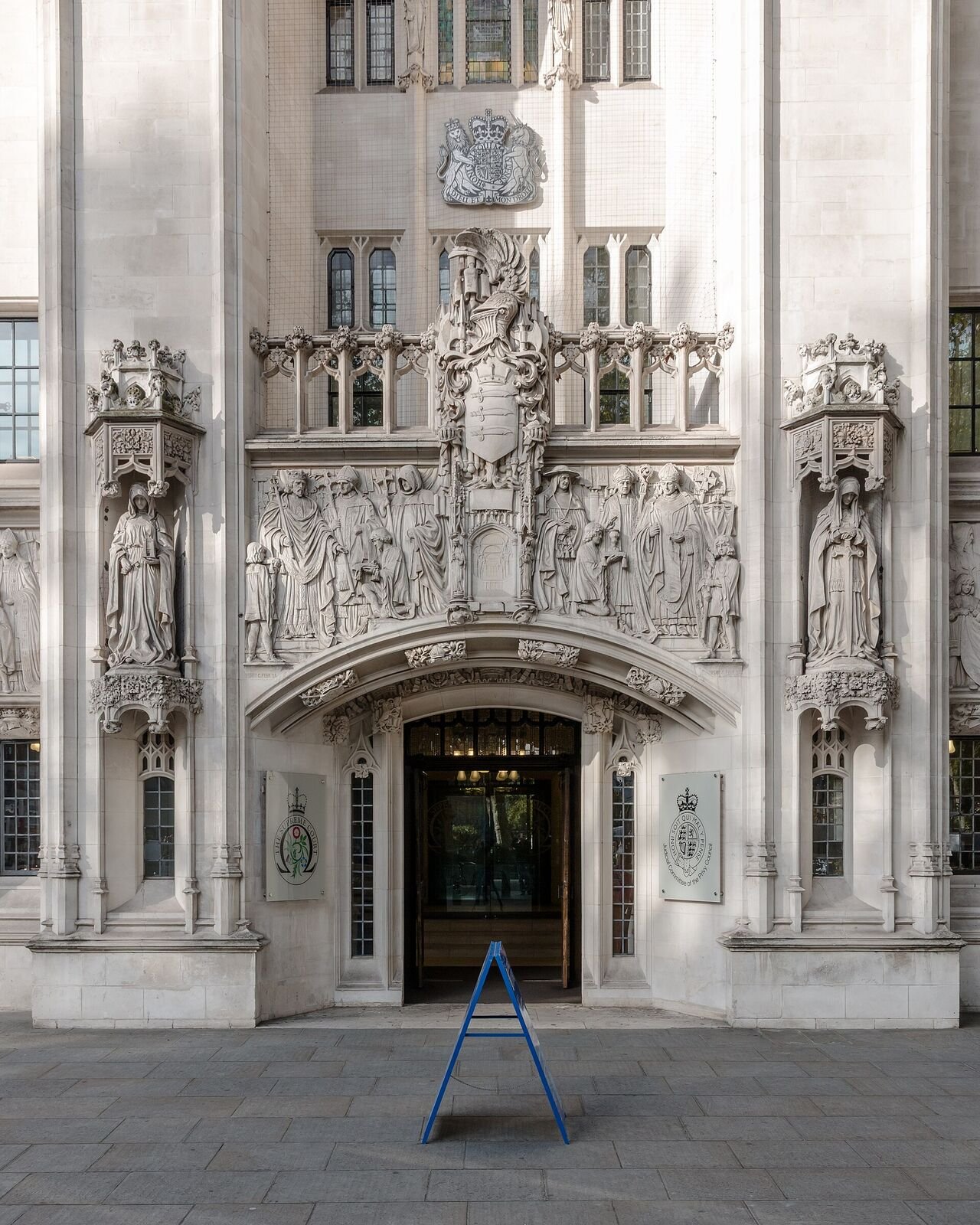
States may keep girls’ sports female: SCOTUS backs West Virginia — as World Athletics requires SRY tests
On 30 June 2026 the U.S. Supreme Court held states may restrict girls’ and women’s school sports to biological females. World Athletics separately requires SRY gene testing for the female World Rankings category effective 1 September 2025.
Why this lean: Lean right (+35): fairness/safety framing on female sports categories; plaintiff discrimination arguments reported as contested.
Lean score (−100 far left to +100 far right; 0 = centre) reflects how this article frames the issue — language emphasis and narrative tilt — not a verdict on truth. Data-first pieces with balanced sources trend toward centre. Disclosed for transparency; not a ranking of correctness.
Lean score (−100 far left to +100 far right; 0 = centre) reflects how this article frames the issue — language emphasis and narrative tilt — not a verdict on truth. Data-first pieces with balanced sources trend toward centre. Disclosed for transparency; not a ranking of correctness.
On 30 June 2026, the U.S. Supreme Court decided West Virginia v. B.P.J., 609 U.S. ___ (No. 24-43). The Court held that states may restrict girls’ and women’s school sports to biological females — Title IX (biological-sex meaning) and Equal Protection (6–3 on the Equal Protection path per contemporaneous coverage).
Title IX school sports and World Athletics elite rules are converging on biological-sex categories — local club rules still need their own text.
Citizen impact: U.S. states that wrote female-category school sports statutes now have a Supreme Court holding on their side. Elite track and field athletes under World Athletics face SRY gene testing for the female World Rankings category (Eligibility Rule 3.5, effective 1 September 2025, including Tokyo 25 Championships framing). Club/masters local rules are not automatically identical — check the specific federation text.
World Athletics SRY rule
World Athletics’ press materials state athletes compete in the female World Rankings category only if biologically female, with SRY testing as the eligibility tool for that category.
Contested: ACLU and plaintiffs: equal athletic opportunity and discrimination claims. States and World Athletics: fairness and safety after male puberty. The Bow, New Hampshire “XX” wristbands case is a speech fight at a game — related, not an eligibility merits holding.
What we refuse
No claim that SCOTUS banned all trans people from any sport worldwide. No claim that B.P.J. decided prison or shelter law. No collapsing club rules into World Rankings regs without checking.
Bottom line
States may keep girls’ school sports female; World Athletics requires SRY tests for elite female category ranking. Read the opinion PDF and the federation rule — not viral summaries.
On 28 September 2026 Judge Tiffany R. Johnson granted the NCAA’s motion for summary judgment in Gaines v. NCAA (1:24-cv-01109), holding there is no evidence the NCAA received or could have received federal funds through its concussion-research partnership with the Department of Defense. Clerk’s judgment for the NCAA; case closed. The court did not decide whether the former transgender-athlete policy was sex discrimination. Appeal window open.
On 28 September 2026 the Solicitor General filed an emergency application (No. 26A416) asking the Supreme Court to stay D.D.C. orders that bar the Bureau of Prisons from enforcing its February 2026 policy ending surgeries, general new hormone interventions, and social accommodations for gender dysphoria while mental-health care continues. This is an application — not a Court decision. Update, 9 October: the ACLU-led respondents filed their opposition on 8 October, 24 states and the Arizona Legislature filed in support of the government, and the Solicitor General replied on 9 October. The application is fully briefed; no order yet.
On 17 September 2026 a Ninth Circuit panel in S.D. v. Reese vacated a class-wide preliminary injunction that would have required Oregon to start housing assessments with a presumption of placing male inmates who identify as women into the state’s only women’s prison — and ordered the class decertified.
On 16 April 2025 the UK Supreme Court unanimously held that “man,” “woman,” and “sex” in the Equality Act 2010 mean biological sex. On 19 June 2026 an Outer House judgment found Scottish Prison Service guidance unlawful insofar as it placed opposite-biological-sex prisoners contrary to sex-segregated rules.