Canada’s levels plan holds permanent-resident targets at 380,000 a year for 2026–28 while cutting new temporary-resident arrival targets from 673,650 (2025) to 385,000 (2026) and 370,000 (2027–28), aiming for non-permanent residents under 5% of population by end-2027.
Why this lean: Slight-right lean (+10): numbers-first with mild capacity pushback framing; arrival targets distinguished from on-shore stock.
Lean score (−100 far left to +100 far right; 0 = centre) reflects how this article frames the issue — language emphasis and narrative tilt — not a verdict on truth. Data-first pieces with balanced sources trend toward centre. Disclosed for transparency; not a ranking of correctness.
Lean score (−100 far left to +100 far right; 0 = centre) reflects how this article frames the issue — language emphasis and narrative tilt — not a verdict on truth. Data-first pieces with balanced sources trend toward centre. Disclosed for transparency; not a ranking of correctness.
Immigration, Refugees and Citizenship Canada’s 2026–2028 Levels Plan keeps permanent-resident admissions at 380,000 each year (planning range 350,000–420,000) while sharply cutting new temporary-resident arrival targets: 385,000 in 2026, then 370,000 in 2027 and 2028 — down from 673,650 in 2025.
Arrival targets are not the on-shore temporary-resident stock — extensions and status already held still count in capacity fights.
Citizen impact: Housing and healthcare pressure arguments now run against a published federal path to bring non-permanent residents under 5% of population by end-2027, with PR admissions under roughly 1% of population beyond 2027 (~0.9% by 2028 per CIMM briefing language). Employers in rural sectors will feel TFWP/IMP cuts even if PR targets hold flat.
The 2026 temporary split
Supplementary levels materials show the 2026 temporary-arrival target split as workers 230,000 (International Mobility Program 170,000 / Temporary Foreign Worker Program 60,000) plus students 155,000.
What the government claims vs critics
Contested: Government: sustainable levels plus labour needs. Critics: the stock of temporary residents remains high; extensions are not in “arrival” targets; housing and healthcare lag. Employers: TFWP/IMP cuts bite rural sectors. This piece reports both frames against the published tables.
Bottom line
Do not claim Canada “banned immigration” or zeroed temporary workers. The plan is a large cut in new arrivals toward a <5% NPR population share — track quarterly StatsCan/IRCC stock figures to see if the path is real.
Élections Québec set polling day for 5 October 2026. In the final Radio-Canada leaders’ debate (23 September), parties restated permanent-immigration thresholds from 35,000 (PQ) to 70,000 (Québec solidaire), with CAQ and Conservatives around 45,000 — while Liberals kept a capacity-range hedge.
IRCC closed federally managed asylum hotels on 1 October 2025 after ~$1.2 billion in temporary accommodation costs. IHAP transfers and Interim Federal Health Program spending remain the live ledger — with IFHP costs up $306.1 million year-over-year in FY2024–25.
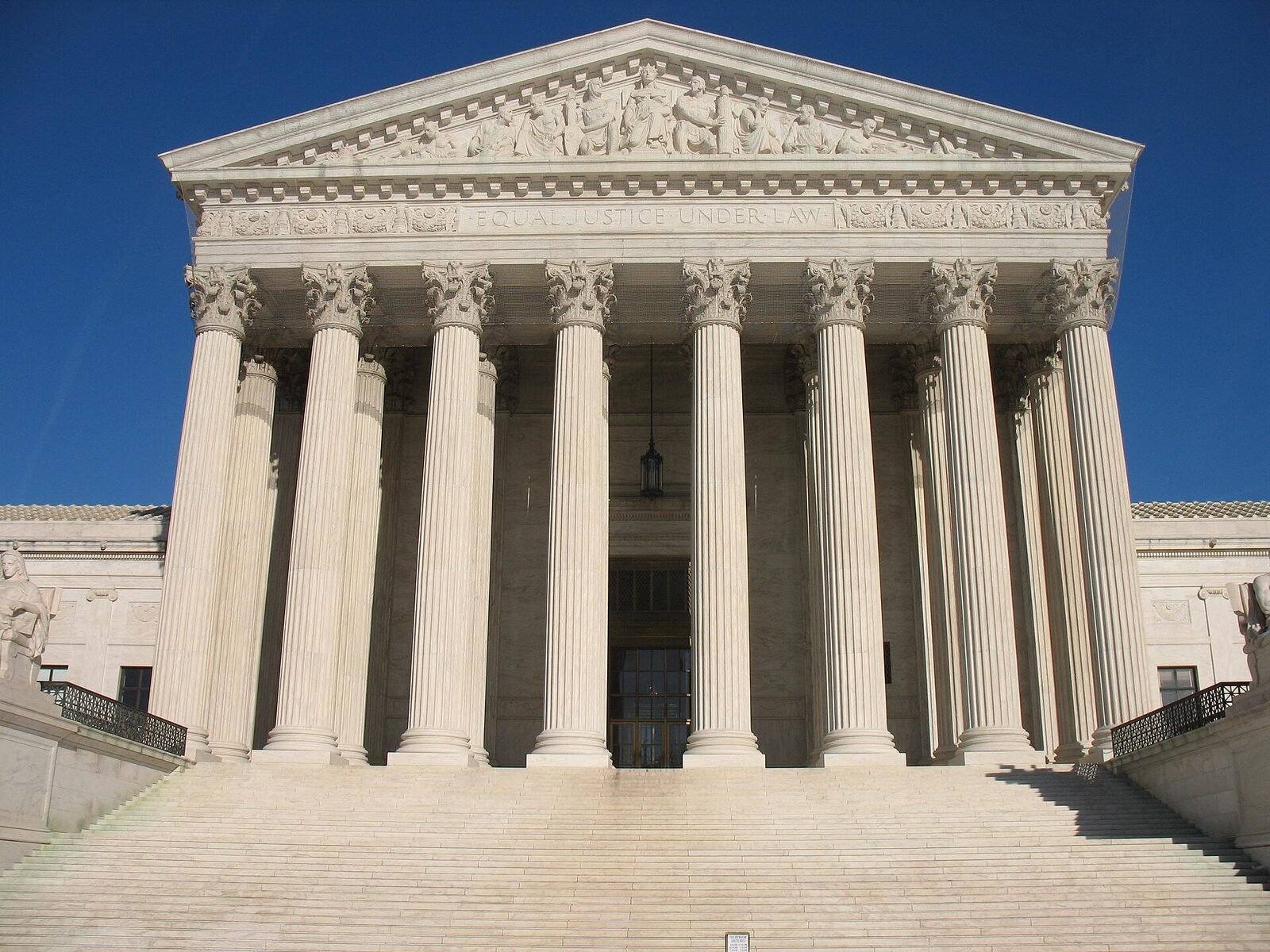
On 29 September 2026 the Supreme Court granted the government’s emergency stay in DHS v. D.V.D. (No. 26A406), pausing a Massachusetts district-court judgment that had blocked third-country removal guidance, treated the application as a cert petition, granted review (No. 26-426), and set December 2026 argument. Justices Sotomayor, Kagan, and Jackson would have denied the stay.
With all 20,704 polling stations reported overnight, Élections Québec’s preliminary results give the Parti Québécois 59 seats on 28.0% of the vote, five short of a majority. The Liberals take 40, the Conservatives 19, and Québec solidaire 9. The governing CAQ wins none despite 13.3% of the vote. Turnout was 66.9%. The PQ’s 35,000-a-year immigration pledge is now a governing party’s promise, not yet a provincial plan. Update, 7 October: after the official addition of the votes, seat totals are unchanged; Vachon’s margin is now 10 votes.