What the courts actually said about 2022 Emergencies Act bank freezes
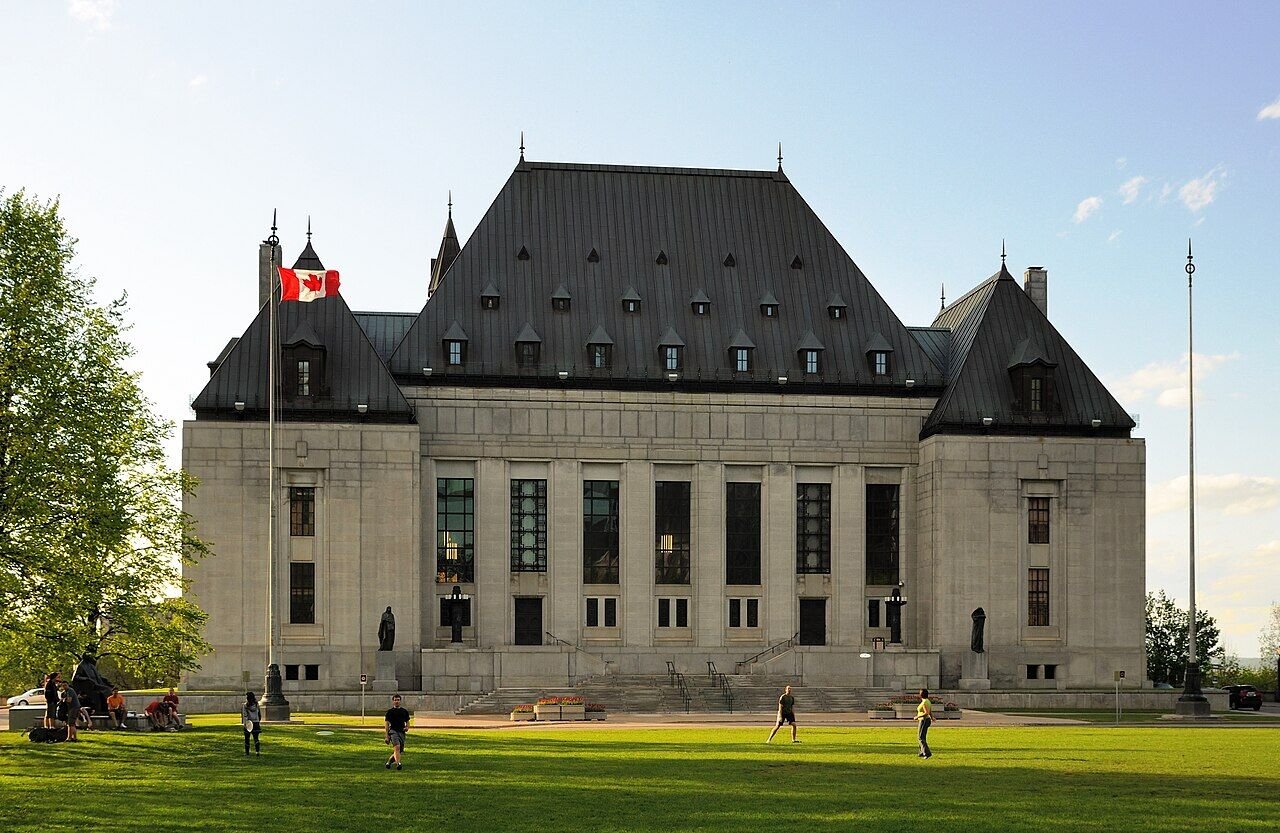
Federal Court 2024 FC 38 held the Emergencies Act invocation unreasonable and found Emergency Economic Measures Order freezes and financial-information demands breached Charter section 8. The Federal Court of Appeal in 2026 FCA 6 upheld core holdings. Documented history — not a standing de-banking policy.
Why this lean: Lean right (+40): civil-liberties / government-power accountability; government’s national-security rationale reported as contested and rejected by courts.
Lean score (−100 far left to +100 far right; 0 = centre) reflects how this article frames the issue — language emphasis and narrative tilt — not a verdict on truth. Data-first pieces with balanced sources trend toward centre. Disclosed for transparency; not a ranking of correctness.
Lean score (−100 far left to +100 far right; 0 = centre) reflects how this article frames the issue — language emphasis and narrative tilt — not a verdict on truth. Data-first pieces with balanced sources trend toward centre. Disclosed for transparency; not a ranking of correctness.
In February 2022, the federal government invoked the Emergencies Act and used the Emergency Economic Measures Order to freeze accounts tied to the convoy protests. Contemporaneous tallies cited in Commission and court materials put frozen accounts near 257 — cite carefully; do not invent counts.
Extraordinary payment freezes happened under statute — courts later constrained them. That is history with primary PDFs, not a meme.
Citizen impact:2024 FC 38 (CCF/CCLA track) held the invocation unreasonable / ultra vires and found freezes plus financial-information demands breached Charter section 8 (with expression findings in the reasons). 2026 FCA 6 upheld core holdings; Supreme Court of Canada leave was sought (track the docket). Lesson: extraordinary freezes are possible under statute — and justiciable afterward.
Contested: Government national-security rationale versus civil-liberties holdings that the threshold was not met. Report both; the judgments control.
What we refuse
“All truckers permanently de-banked forever.” “Banks now freeze anyone who criticizes Ottawa” as standing policy. Invented account counts. Claiming FCA ended all AML/FINTRAC crowdfunding rules (FINTRAC crowdfunding registration is a separate 2022 track).
Bottom line
Documented freezes + Charter findings + appellate uphold. Pair with the CBDC mythbust — different files, same hub.
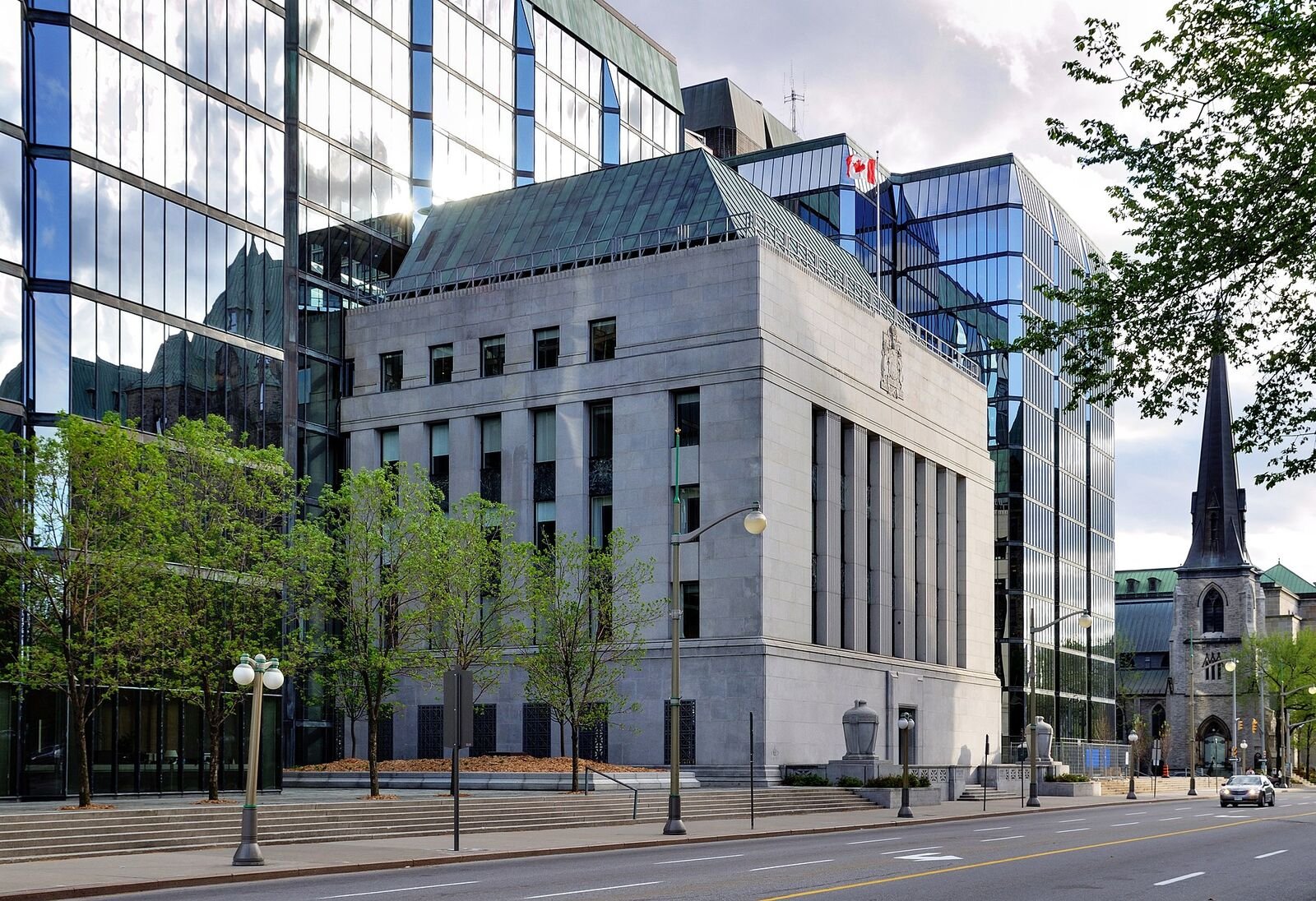
On 22 September 2026, BMO, CIBC, National Bank, RBC, Scotiabank and TD jointly announced they are exploring Canadian-dollar tokenized-deposit solutions for interbank transfers. It is a bank-led exploration with no launch date — distinct from the Bank of Canada’s scaled-down retail CBDC research.
The Bank of Canada’s Digital Canadian Dollar page states years of research, no compelling case to proceed now, and a scale-down of retail CBDC work. Any decision to issue would be Parliament’s. Lab papers are not a pilot in your banking app.
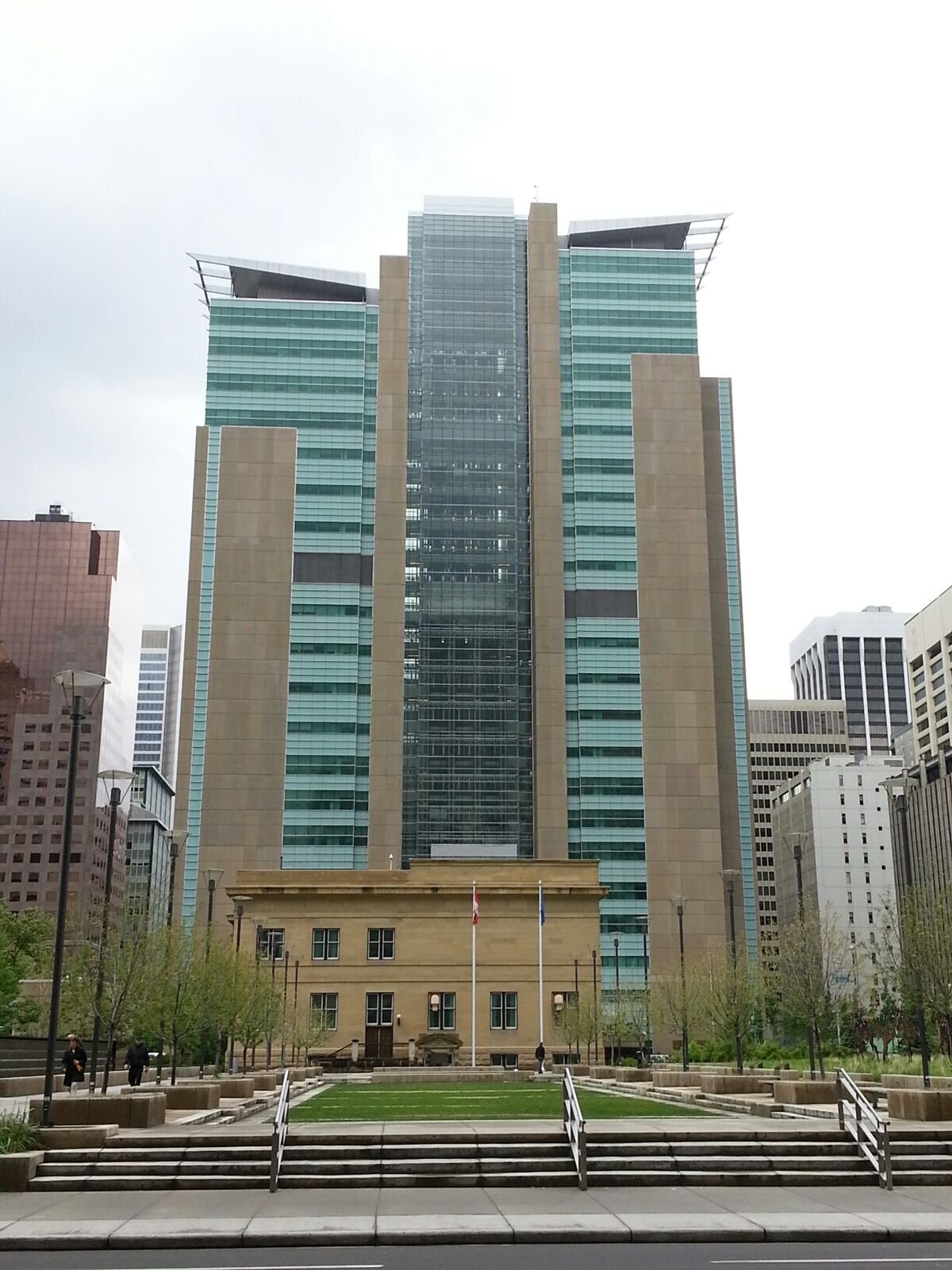
In R v Carbert, 2026 ABCA 314 (1 October 2026), the Court of Appeal of Alberta dismissed Chris Carbert’s and Anthony Olienick’s conviction appeals. It ruled the RCMP’s warrantless emergency wiretap of Carbert was never justified, agreed the Coutts property warrant was invalid, and called the combined breaches “not minor.” It still admitted the firearms, citing the public interest in the prosecutions.
A proposed Industry Minister’s order in the Canada Gazette (Part I, 10 October 2026) would exempt employees of 27 named police services, including the OPP, Sûreté du Québec, Toronto, Montréal, Calgary and Vancouver police, from the Radiocommunication Act’s ban on jammers. Until now only the RCMP, the military and prison services have been exempted. The order sets purposes and conditions, but no expiry, no warrant requirement and no public reporting of uses. Comments are open until about 9 November.