Bubble zones beyond schools: Calgary’s library bylaw in the courts, Vaughan’s 100-metre rule under CCLA fire
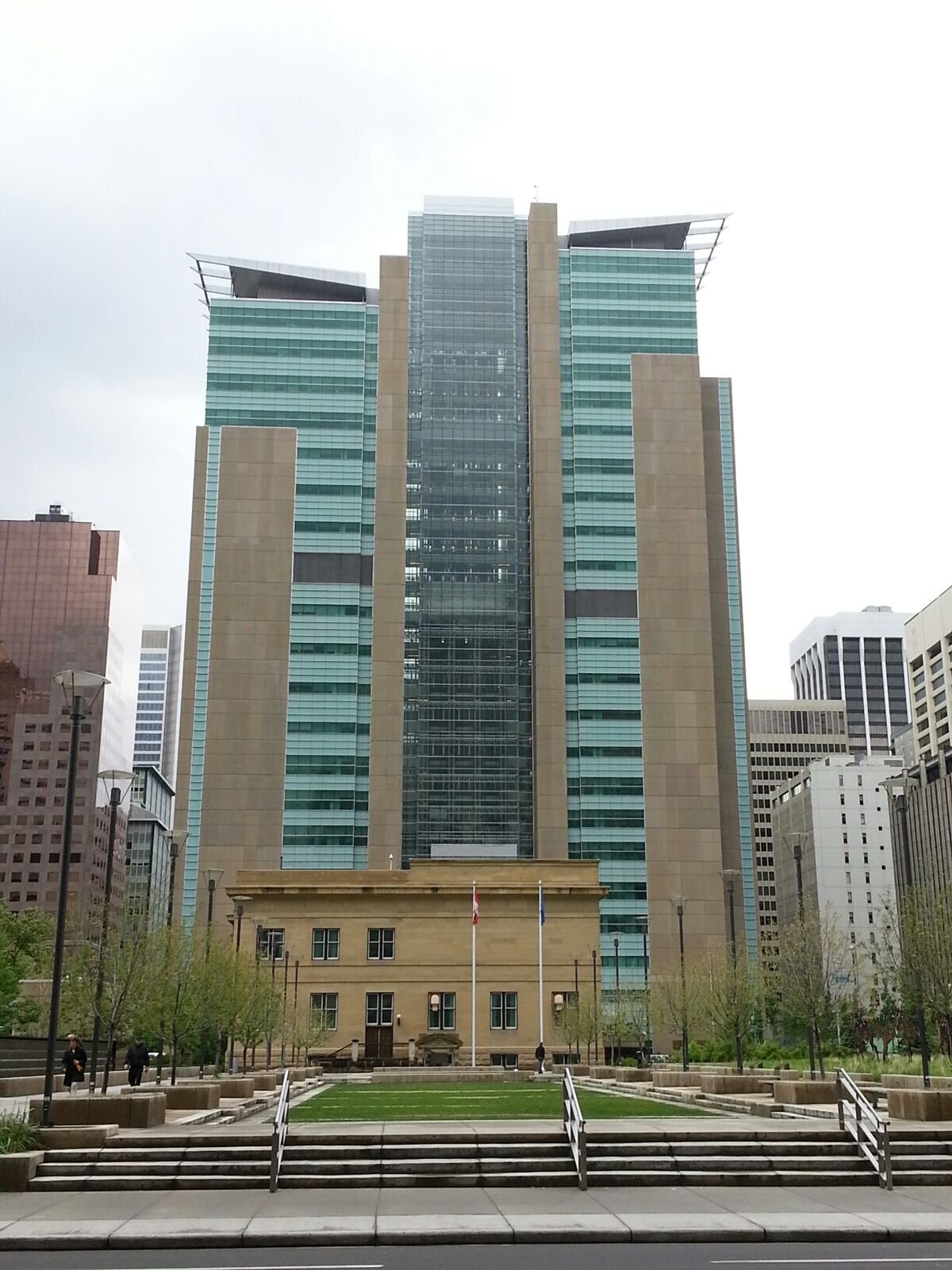
Distinct from B.C. school access zones: Calgary’s Safe and Inclusive Access Bylaw faces Alberta Court of Appeal leave (July 2026) after a narrowing lower-court ruling. Vaughan, Ontario’s ~100-metre protest buffer drew a CCLA Charter challenge. Where can you protest City Hall-adjacent spaces?
Why this lean: Lean right (+45): expression-rights spine; municipal safety/harassment rationale included.
Lean score (−100 far left to +100 far right; 0 = centre) reflects how this article frames the issue — language emphasis and narrative tilt — not a verdict on truth. Data-first pieces with balanced sources trend toward centre. Disclosed for transparency; not a ranking of correctness.
Provincial school access zones (already covered on the Parents & schools hub for B.C.) are not the only buffer fights. Municipal bylaws are now restricting protests near libraries, recreation, and social infrastructure.
Leave to appeal is not a final strike-down — but Calgary and Vaughan show bubble zones moving beyond school gates.
Citizen impact: Calgary’s Safe and Inclusive Access Bylaw was narrowed in a lower-court ruling in R v Heather coverage summarized by the Canadian Constitution Foundation; Alberta Court of Appeal leave was granted in July 2026. Vaughan’s roughly 100-metre rule faces a CCLA Charter challenge (2025). Toronto staff studied similar tools; CCLA warned council in writing. Question for residents: where remains lawful to protest near civic buildings?
Contested: Municipalities cite safety and harassment prevention. Civil-liberties groups cite Charter expression. Report both; watch appeal milestones.
What we refuse
“Nationwide protest ban.” Conflating with provincial abortion-clinic access statutes without labelling. Treating leave-to-appeal as a final knockout.
Bottom line
Bubble zones are migrating into municipal social infrastructure. This is expression law — not a school-curriculum remake.
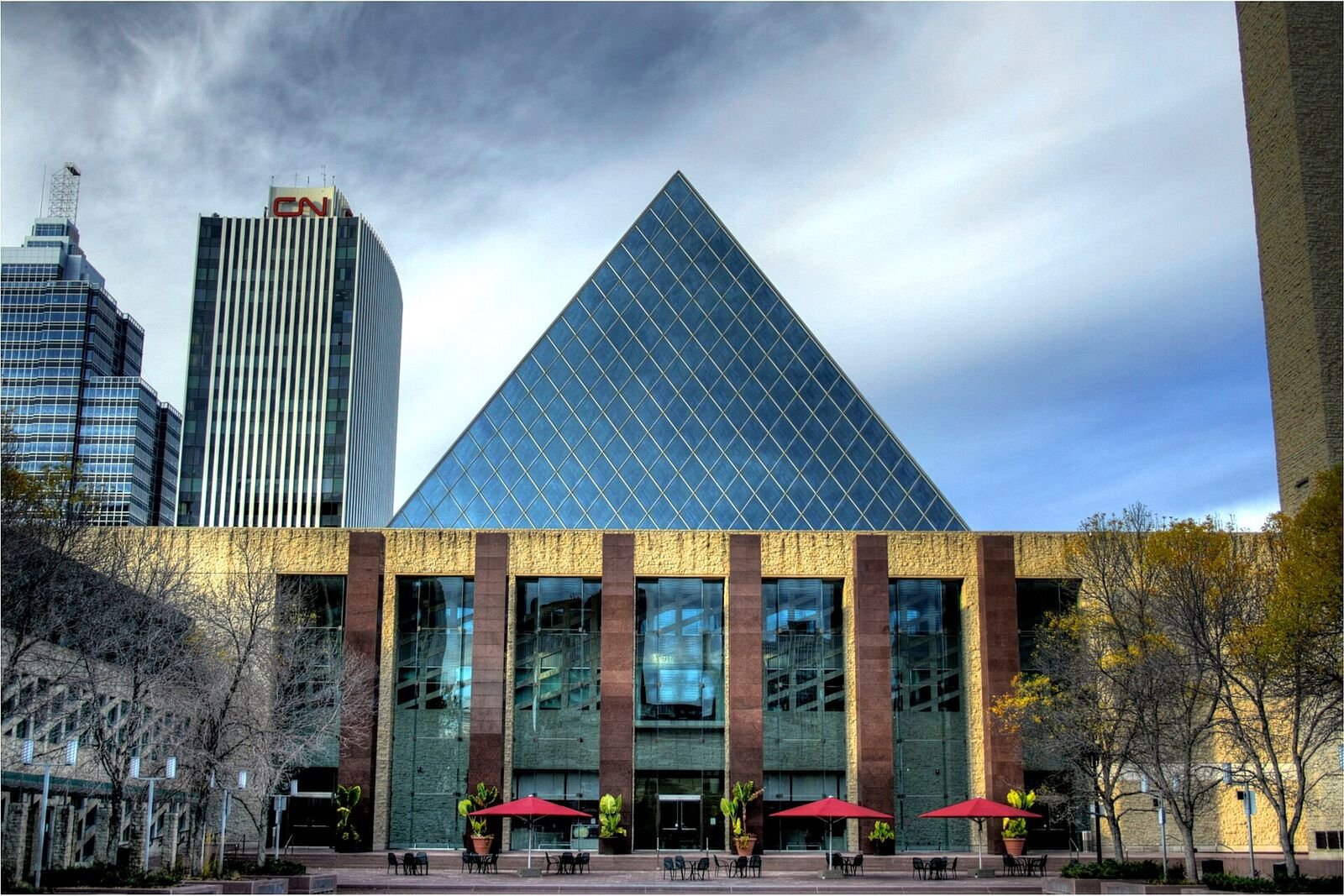
Ottawa’s Safe Access By-law took effect 1 August 2026 with 50-metre protest-free zones around designated schools, daycares, places of worship, and care facilities. In September the city posted its designated-facility list; Centretown BUZZ documented three bad addresses the city later corrected.
Edmonton’s district planning documents and council’s freedom-of-movement clarification contain no inter-district travel ban. Oxfordshire’s camera-enforced traffic filters are real car-routing policy on specific roads — not residence lockdown. Demand bylaw PDFs, not viral maps.
In Diemert v. City of Seattle (No. 25-1188, filed 28 Sep 2026) a Ninth Circuit panel reversed summary judgment on Joshua Diemert’s Title VII and Washington Law Against Discrimination hostile-work-environment claims, remanding for trial. It affirmed dismissal of constructive-discharge, disparate-treatment, retaliation, and Equal Protection claims. Race-conscious training is not per se unlawful — the holding is that a jury may hear whether workplace incidents created a racially hostile environment.
A proposed Industry Minister’s order in the Canada Gazette (Part I, 10 October 2026) would exempt employees of 27 named police services, including the OPP, Sûreté du Québec, Toronto, Montréal, Calgary and Vancouver police, from the Radiocommunication Act’s ban on jammers. Until now only the RCMP, the military and prison services have been exempted. The order sets purposes and conditions, but no expiry, no warrant requirement and no public reporting of uses. Comments are open until about 9 November.